Prevent Kahm Yeast on Refrigerator Dill Pickle Ferments
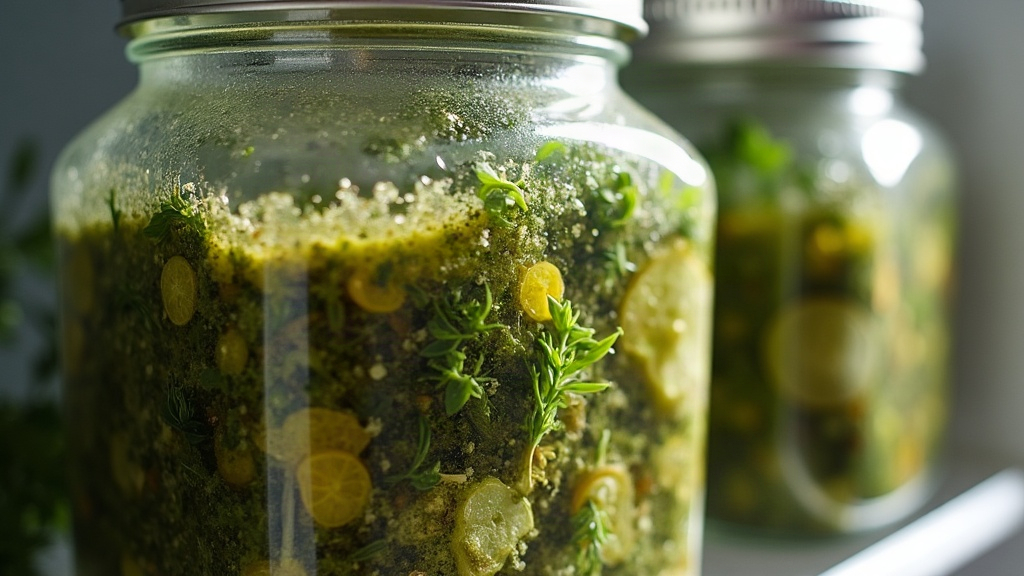
That white, wrinkly film on your fermented dill pickles has a name: kahm yeast. It almost always shows up after you’ve opened a jar and put it back in the fridge, because opening the lid breaks the anaerobic seal and lets oxygen sneak in. Here’s the reassuring part: it won’t hurt you. And with a few tweaks to your brine, your headspace, and how you handle the jar, you can keep it from coming back at all.
What Is Kahm Yeast, Really?
Kahm yeast is a wild, oxygen-loving yeast, nothing to do with mold, that sets up shop on any exposed brine surface. Eating a little of it won’t make you sick, but it does mess with the flavor. Pickles start tasting musty, a bit funky, not quite right. And if you let it sit there long enough, it can turn into a welcome mat for actual mold.
Key differences from mold:
- Kahm yeast: flat, thin, white or cream colored, wrinkled or bubbly looking. No fuzz. Smells yeasty, maybe a little off, but not rotten.
- Mold: fuzzy, raised, often green, black, pink, or blue. See this? Toss the whole jar. No exceptions.
Why It Appears After Opening the Jar
Before the jar is opened, the fermentation seal (an airlock, or just a tightly closed lid) keeps oxygen where it belongs: outside. Once you crack that seal, a few things start working against you:
- Oxygen gets in every single time the lid comes off, and it feeds any yeast sitting on the exposed brine.
- Headspace grows as you eat more pickles, so there’s more empty air sitting above the liquid.
- Cross-contamination creeps in when hands, forks, or random utensils dip into the brine.
- Temperature swings from opening the fridge door repeatedly can slow fermentation just enough to give yeast a foothold it wouldn’t otherwise get.
Step-by-Step Prevention
1. Keep Pickles Fully Submerged
This is the big one, honestly the whole game. Kahm yeast needs an air-to-brine interface to grow. Take that away and it has nowhere to live.
- Use a fermentation weight, a small glass weight, or even a clean, food-safe rock to hold the pickles under the brine line.
- If pickles start floating up as the jar empties, drop in a smaller weight, or just fold a cabbage leaf on top to press them down.
- If the brine level drops below the pickles, top it off with a fresh 2-3% salt solution (roughly 1.5 tablespoons of non-iodized salt per quart of water).
2. Minimize Air Exposure Every Time You Open the Jar
- Clean utensils only. Never fingers, no matter how quick you think you’re being.
- Work fast. Don’t leave the jar sitting open on the counter while you decide what to eat with your pickles.
- Push the remaining pickles back under the brine the second you’ve got what you need.
3. Reduce Headspace as the Jar Empties
- Once you’re down to the last third of the jar, move everything, pickles and brine, into a smaller container. Less air space means less real estate for yeast.
- Or just top off with a few extra spoonfuls of fresh brine to keep the liquid level up.
4. Store at Consistent, Cold Temperatures
- Aim for 34-40°F (1-4°C). Cold slows yeast growth dramatically.
- Keep the jar toward the back of the fridge, away from the door, where temperature actually stays steady instead of swinging every time someone grabs the milk.
5. Maintain Proper Brine Strength
- Weak brine, anything under 2% salt, is basically an open invitation for wild yeast. Stick to a tested 2-3.5% salt by weight for refrigerator dill pickles.
- Diluted the brine by tossing in extra water or fresh cucumbers? Taste it and adjust the salt.
6. Use Airtight, Clean Lids
- Wipe the rim and threads clean before resealing. Leftover brine residue is basically yeast food sitting right at the seal.
- A tight lid won’t stop oxygen exchange completely, but it cuts it down a lot between openings.
What to Do If Kahm Yeast Already Appeared
- Don’t panic. It’s not toxic.
- Skim off the film completely with a clean spoon. Get every last trace of it.
- Check what’s underneath. Fuzzy or colored growth means mold, and that means the whole batch goes.
- Taste a piece. Normal? Fine to eat once you’ve skimmed it. Musty or off? Toss it for quality’s sake, even if it’s technically safe.
- Once it’s skimmed, run through the prevention steps above so it doesn’t just grow back next week.
Quick Checklist
- ✅ Pickles fully submerged with a weight
- ✅ Clean utensils only, no fingers
- ✅ Fridge temp at or below 40°F
- ✅ Brine at 2-3.5% salt, topped off as needed
- ✅ Downsize the jar as pickles get eaten
- ✅ Wipe the rim and reseal tightly after each use
Conclusion
Kahm yeast on opened refrigerator dill pickles almost always comes down to one thing: exposed brine meeting oxygen. Keep the pickles submerged, limit how much air gets in every time you open the jar, keep your salt level where it should be, and store the jar cold and undisturbed. Do that and you’ll rarely see that white film show up again. If it does sneak in anyway, skim it, check for mold underneath, and reset your habits so your ferment stays crisp, tangy, and yeast-free.