PET Bottles vs Swing-Top Glass for Kombucha Carbonation
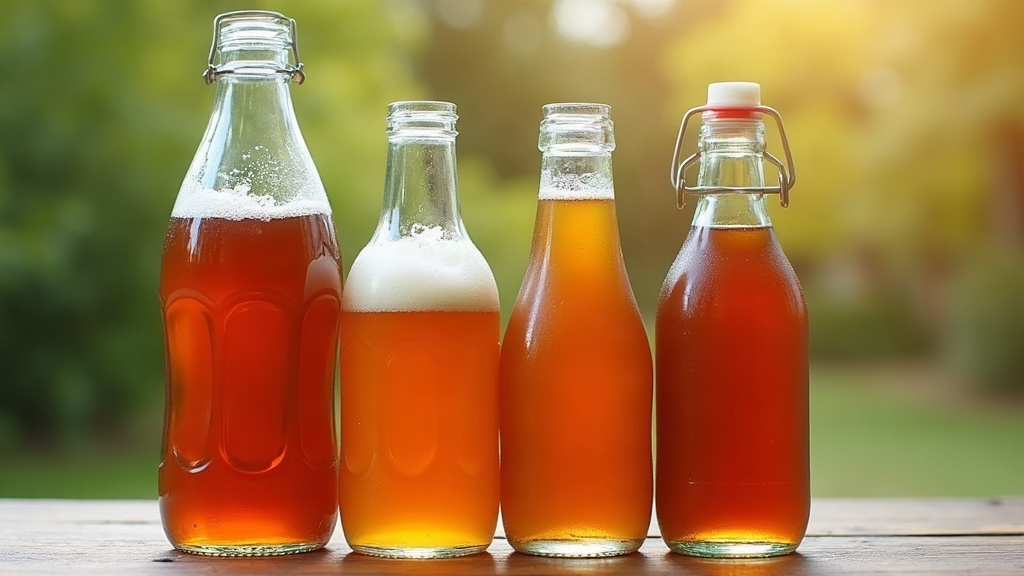
PET vs. Swing-Top Glass: Which Bottle Actually Carbonates Kombucha Better?
Picking between PET bottles and swing-top glass for your kombucha’s second fermentation really comes down to three things: safety, how good the fizz turns out, and plain old convenience. The short version: PET bottles are the safer bet and double as a built-in pressure gauge you can squeeze. Swing-top glass, on the other hand, holds carbonation longer and just looks and feels more premium, but it’s riskier if you’re not paying attention to timing. Let’s break down how to pick what fits your brewing habits.
Why Bottle Choice Matters for Carbonation
During second fermentation (F2), the yeast and bacteria in your kombucha chew through the residual sugar and give off CO2 as a byproduct. Since the bottle is sealed, that gas has nowhere to escape. It gets forced back into the liquid, and that’s what creates the fizz. The material of the bottle, and how it seals, changes three things:
- How much pressure can build up before something gives (a leak, a pop, or worse)
- How well the bottle holds onto that CO2 once it’s dissolved
- Whether you can actually tell how much pressure is in there without cracking it open
PET Bottles: The Safer, Beginner-Friendly Option
PET bottles, the same food-grade plastic used for store-bought soda, are the go-to for a lot of first-time brewers. There’s a reason for that.
Pros:
- You can squeeze-test them: As CO2 builds during F2, the bottle gets firmer day by day. Give it a squeeze once a day. Once it feels like an unopened can of soda, rock solid, it’s time to move it to the fridge.
- They don’t shatter: Even if you let pressure climb too high, PET flexes. Worst case, it leaks or bulges instead of turning into a spray of glass.
- Light and easy to move: If you’re shipping kombucha to a friend or hauling a big batch somewhere, plastic wins hands down.
- Cheap, and you can reuse them: We’re talking a few cents each, and they’ll survive several fermentation cycles before they start looking scratched or cloudy.
Cons:
- After enough reuses, you might notice a faint plastic note in the taste.
- Not exactly the bottle you’d hand a guest at a dinner party.
- Plastic isn’t fully gas-tight, so if you’re storing bottles for months rather than weeks, you’ll slowly lose fizz.
Swing-Top Glass Bottles: Better Fizz, More Risk
Swing-top bottles, the Grolsch-style ones with the rubber gasket and wire clamp, are what most craft kombucha brands use, and for good reason.
Pros:
- The seal is excellent: Glass plus rubber gasket equals an airtight setup that keeps carbonation intact way longer than plastic does. If you like to bottle a big batch and sip it over several weeks, this matters.
- Zero flavor interference: Glass is inert. It won’t ever bleed into the taste of your brew, no matter how many times you reuse it.
- They look the part: Selling at a farmers market, giving bottles as gifts, or just want your fridge to look like a proper home bar? Glass does that job.
- Basically last forever: Clean them properly and a swing-top can serve you for years.
Cons:
- No way to gauge pressure by feel: You can’t squeeze glass, so unless you’re burping bottles on a schedule, you’re guessing.
- They can actually explode: Glass has zero give. Too much sugar, or an F2 that ran long in a warm kitchen, and the pressure can shatter the bottle outright. This isn’t a hypothetical, it’s a documented hazard among home brewers.
- Heavier, and pricier per bottle than plastic.
Practical Recommendations
- Just starting out? Stick with PET for your first 5 to 10 batches at least. Squeeze-test daily, and refrigerate the moment it firms up.
- Got your recipe dialed in? Once you know your yeast strain, your sugar ratio, and roughly how long F2 takes (typically 2 to 4 days at 70-75°F, or 21-24°C), feel free to move to swing-top glass.
- Try a hybrid setup: A lot of seasoned brewers toss one PET “tester” bottle into a batch that’s otherwise all swing-tops. That one plastic bottle tells you when the whole batch is ready, so you never have to crack open glass early just to check.
- Burp your bottles, always: No matter the material, crack the cap or flip the swing-top open for a second every 1-2 days during F2 to vent pressure. This matters even more in a hot kitchen or during summer.
- Keep them somewhere contained: A cardboard box, a cooler, a cabinet, anything that’ll catch a leak or contain a break during F2 is worth the small effort.
Which One Actually Carbonates Better?
If we’re talking about holding onto carbonation over time, swing-top glass wins, no contest. That airtight seal keeps your kombucha fizzy in the fridge for weeks. But here’s the twist: PET often gets you to “properly fizzy” faster and more reliably during F2, simply because you can feel the pressure building and adjust your timing on the fly. That real-time feedback cuts down on the guesswork that leaves you with either flat kombucha or a bottle that gushes all over your counter.
Conclusion
Honestly, there isn’t one correct answer here, it depends on what you care about most. Prioritize safety and easy monitoring? PET is your bottle. Want fizz that lasts and a presentation that looks store-bought? Swing-top glass earns the extra attention it demands. A lot of brewers end up using both anyway: PET for the everyday stuff and quick checks, glass for batches meant for sharing or special occasions. Either way, what actually determines your carbonation success is consistent burping and smart sugar management. The bottle is just the tool that lets you manage that safely.