Winterizing a Ginger Bug Starter for Cold-Weather Soda Ferments
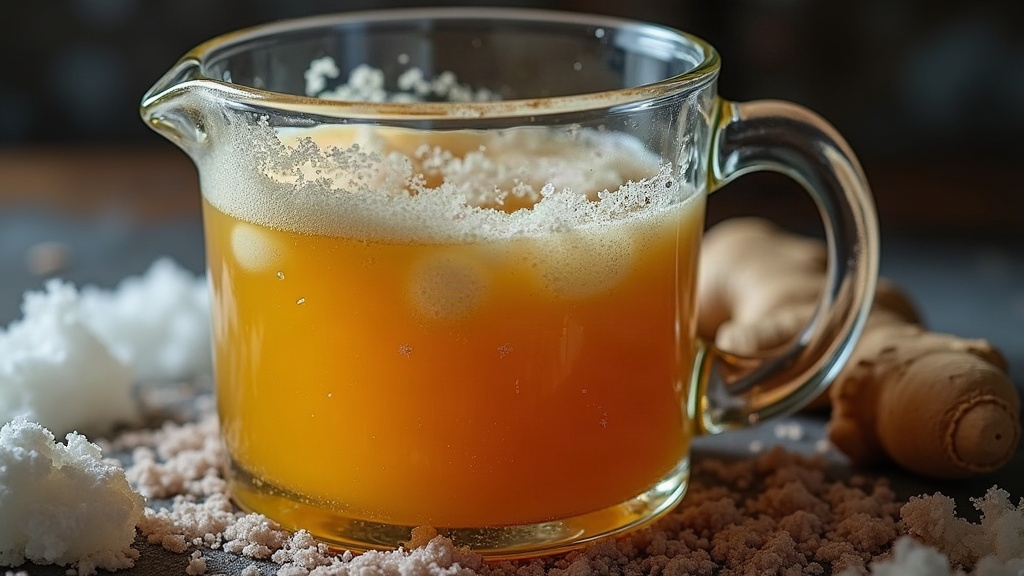
Cold weather is the single biggest reason ginger bug starters stall out, stop bubbling, and get shoved to the back of the counter and forgotten. Winterizing your ginger bug (tweaking your feeding schedule, temperature, and ratios for the cooler months) keeps the culture active so you can keep brewing fizzy homemade sodas all season, even if your kitchen runs cold.
Why Ginger Bugs Slow Down in Winter
A ginger bug is just a wild culture of yeast and lactic acid bacteria living in a jar of grated ginger, sugar, and water. Simple stuff, but those microbes are picky about temperature. Most thrive between 70-80°F (21-27°C). Drop the room down into the 60s°F (15-18°C) and fermentation activity can slow by half, sometimes more. The bug isn’t dying, though. It’s going dormant, the same way a sourdough starter does when it sits in a cold fridge.
Common winter symptoms include:
- Little to no bubbling after feeding
- A layer of liquid separating out with no fizz to speak of
- Rising mold risk, because slower fermentation means less protective acidity builds up early on
- Soda ferments that sit flat for days instead of carbonating in the usual 24-48 hours
Step 1: Find the Warmest Reliable Spot
Before you start messing with feeding ratios, fix the environment first. That’s 90% of the battle.
- Top of the refrigerator: the compressor kicks out gentle, steady warmth all day long.
- Near (not on top of) a radiator or heating vent: direct heat will overheat the culture and kill it fast.
- Inside a turned-off oven with the light on: old-school incandescent bulbs throw off just enough heat to help. Skip this trick if your oven has newer LED lighting, since those stay cool.
- A seedling heat mat set to low, with the jar sitting on a folded towel as a buffer so it doesn’t cook from direct contact.
Aim for something steady, around 75-78°F (24-26°C). Steer clear of spots with big temperature swings, like a windowsill that gets drafty at night.
Step 2: Adjust Your Feeding Ratio
During warm months, the standard feed is 1 tablespoon grated ginger + 1 tablespoon sugar + 1 cup water, once a day. Come winter, the culture’s metabolism slows down, so you’ll want to adjust:
- Feed every 24-48 hours instead of daily. Let the bubbles tell you when it’s time, not the clock on the wall.
- Bump the ginger up slightly if things look sluggish. More surface area means more wild yeast to work with.
- Use lukewarm water (not hot) when feeding. It gives the culture a small head start without shocking it into shutting down.
Step 3: Watch for Early Mold Warning Signs
Winter ferments acidify more slowly, which leaves a longer window where mold can get a foothold. A few habits go a long way here:
- Cover the jar with a coffee filter or cloth, never a tight lid. You want airflow, just not fruit flies and dust getting in.
- Keep the ginger pieces submerged by stirring at every feeding. Bits poking above the liquid are where mold loves to start.
- Toss it immediately if you spot fuzzy patches, pink discoloration, or a sour “off” smell. That’s nothing like the pleasant tangy-sweet ginger aroma a healthy bug gives off.
Step 4: Build a Stronger Starter Before Brewing Soda
Resist the urge to rush into flavoring your soda base in winter. Wait until the bug is visibly, consistently active:
- Bubbles should rise within 2-4 hours of a feeding.
- The liquid should smell yeasty and tangy, not flat or stale.
- A small test batch (a quarter-size jar) fermenting on the counter should carbonate within 48-72 hours at room temperature.
If your bug is still dragging, stretch out the building phase by a few extra days instead of brewing with a weak starter. Honestly, this one step fixes most cases of flat winter soda.
Step 5: Insulate the Second Ferment Too
Winterizing isn’t only about the bug itself. Your bottled soda (the second ferment) needs warmth as well.
- Wrap the bottles in a towel and set them near your warm starter spot.
- Check daily. Give plastic bottles a gentle squeeze to feel for pressure, or briefly “burp” glass bottles to test how carbonated they’ve gotten.
- Expect the second ferment to take 1-2 extra days compared to summer timing.
Quick Troubleshooting Checklist
- No bubbles at all for a week: move the jar somewhere warmer and feed more often for a few days.
- Bug smells like nail polish remover: it’s starving. Feed more frequently, and if the spot is over 80°F, cool it down a touch.
- Soda won’t carbonate: your starter is probably too weak. Build it up more, and double-check that your bottle seals are actually tight.
Final Thoughts
Winterizing a ginger bug mostly comes down to compensating for slower microbial activity. Find a consistently warm spot, feed based on what the bubbles are telling you rather than a strict schedule, and give both your starter and your second ferments a bit more patience than you would in July. Make those small adjustments and you can keep crisp, homemade fermented sodas coming all winter long.