Milk Kefir Grains vs Viili Culture for Tangy Oat Cream
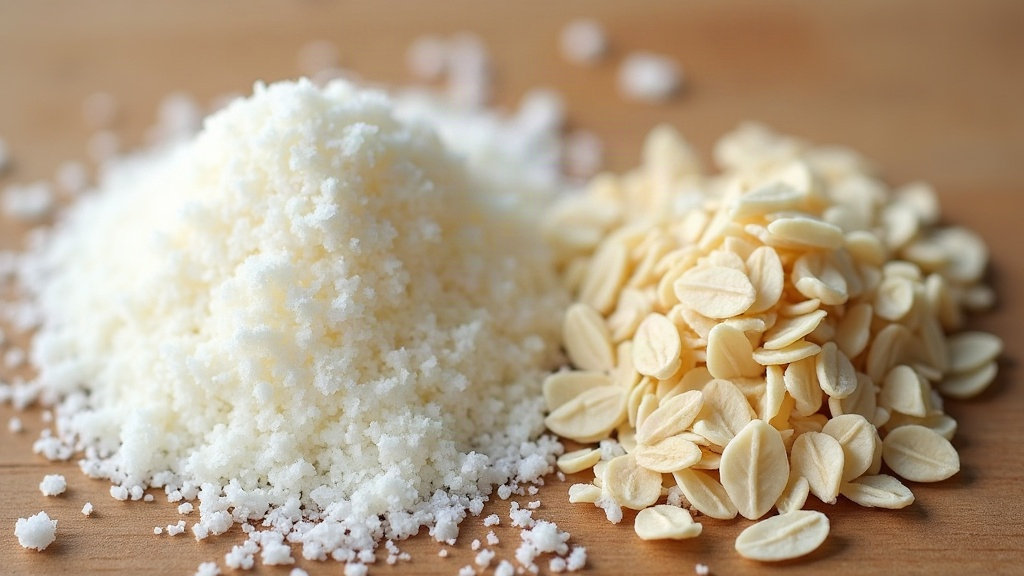
If you’re after a tangy, spoonable cultured oat cream at home, two starters stand out: milk kefir grains and viili culture. They don’t behave the same way, though. Kefir grains punch out a sharper, fizzier tang with more visible fermentation activity, while viili settles into something silkier, almost ropy, with a mild flavor that’s honestly much easier to keep alive for months on end. Here’s how each one actually performs on oat cream specifically, so you can match the culture to your kitchen setup and your palate.
Why Oat Cream Behaves Differently Than Dairy
Oat cream has no lactose and no casein, the two things dairy cultures spent generations adapting to eat. That changes everything:
- Milk kefir grains are a living SCOBY, a mix of bacteria and yeast, built to feed on milk sugar. Drop them in oat cream and they switch to surviving on plant starches and whatever sugar you’ve added. It works, but slower, and less predictably than you’d get with milk.
- Viili is a simpler mesophilic bacterial culture with no yeast colony and no physical grain structure. That’s actually its advantage here: without a grain to feed, it slides into plant milks far more smoothly.
Both will thicken your oat cream eventually. The path they take to get there, and what you end up with, is a different story.
Milk Kefir Grains in Oat Cream
How it works
Kefir grains look like small, gelatinous cauliflower florets, the kind you strain out and reuse batch after batch. Dropped into oat cream, they slowly release their bacteria into the liquid. But the grains themselves take a hit over time: with no lactose to feed the yeast population, they weaken gradually the longer you keep them on oat milk alone.
Flavor and texture
- Tangier, a bit fizzy, occasionally with a yeasty note you’ll either love or find distracting
- Thinner than you might expect, unless you reduce the oat cream beforehand or add a thickener like agar, pectin, or a bit of extra oat starch
- Fast at room temperature, usually done in 12 to 24 hours
Best for
People chasing a probiotic-forward, bubbly, almost yogurt-like cream for smoothies, overnight oats, or a savory dip that actually tastes fermented, not just “cultured” in name only.
Downsides
- The grains need a dairy “recharge” every few batches or they start losing steam
- Results can be inconsistent batch to batch if you’re not careful with ratios (roughly 1 tablespoon of grains per cup of oat cream is the usual starting point)
Viili Culture in Oat Cream
How it works
Unlike kefir, viili isn’t a grain at all. You propagate it from a spoonful of a previous batch, much like a yogurt starter. It likes it cool, 68-72°F (20-22°C), and as it ferments it turns thick, almost gelatinous, with that signature ropy, stretchy quality viili is known for.
Flavor and texture
- Mild and buttery, with a tang that’s noticeably gentler than kefir’s
- Naturally thick and smooth, closer to what you’d actually call a “cultured cream”
- Slower, usually 18 to 24 hours, but far more consistent batch after batch
Best for
Anyone who wants a subtle, spreadable oat cream for topping soups or baked potatoes, or as a stand-in for sour cream in cooking where you don’t want the tang to dominate.
Downsides
- Needs a stable, cool room; it stalls out above 77°F (25°C), so a hot summer kitchen can be a problem
- The starter needs refreshing every 1-2 weeks or it loses activity
Side-by-Side Comparison
| Factor | Milk Kefir Grains | Viili Culture |
|---|---|---|
| Tang level | Strong, fizzy | Mild, smooth |
| Texture | Thinner, needs thickening | Naturally thick/ropy |
| Ferment time | 12-24 hrs | 18-24 hrs |
| Maintenance | Needs dairy recharge | Needs regular refresh |
| Best use | Smoothies, probiotic drinks | Spreads, savory toppings |
Practical Tips for Either Culture
- Go with unsweetened, full-fat oat cream (10-15% fat). Thin oat milk just won’t set right, no matter which culture you use.
- Ferment in a clean glass jar, lid on loosely, out of direct sunlight.
- Start tasting around the 12-hour mark, then check every couple of hours after that. Oat cream cultures faster than dairy once the room warms up.
- Once it hits the tang you like, straight into the fridge to stop fermentation in its tracks.
Which Should You Choose?
Go with milk kefir grains if you want something bold and probiotic-heavy, with a little fizz, and you don’t mind the occasional dairy top-up to keep the grains in good shape. Go with viili if mild, thick, and low-maintenance sounds more like what you’re after, especially if staying fully plant-based matters to you long-term.
Honestly, both will get you a good tangy oat cream. The real question is how sour, how thick, and how fizzy you want the end result, and how much babysitting you’re actually willing to do along the way.