Cask Conditioning a Mild Ale with Treacle: A Winter Homebrew Guide
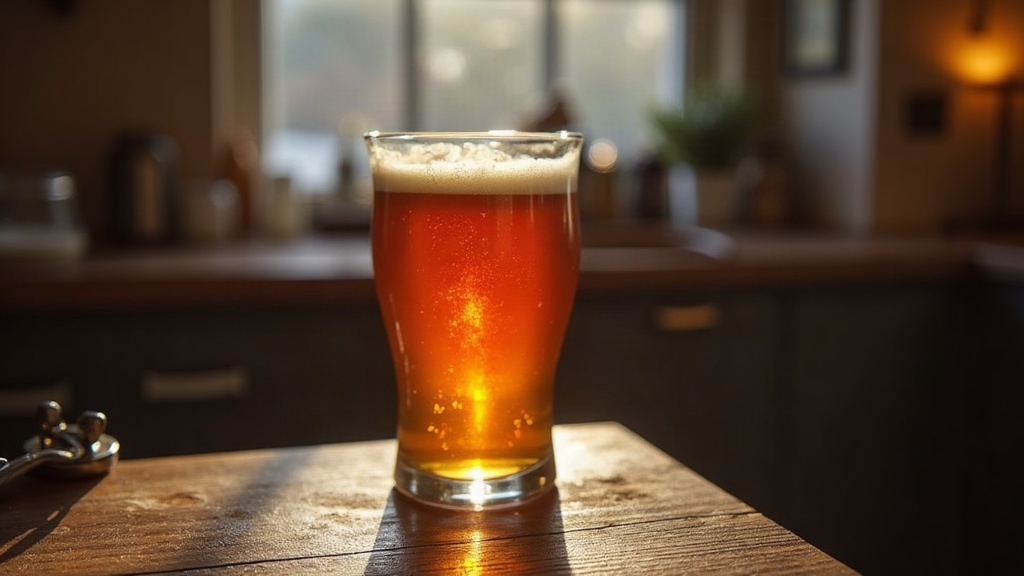
Cask conditioning a mild ale with treacle is one of those brewing traditions that just makes sense once you understand the history behind it. This is how English pubs kept their customers warm through long 19th and early 20th century winters: dark, low-alcohol, deeply flavored beer that you could drink pint after pint without falling off your stool. Ferment a simple grain bill, stir in black treacle for color and that molasses-like depth, let it finish naturally in the cask, and you’ve got yourself an authentic, sessionable winter ale with real history in the glass.
Why Treacle Belongs in a Historical Mild
Back before refined sugar was cheap and everywhere, British brewers reached for treacle (a sugar refining byproduct, close cousin to blackstrap molasses) to push up gravity, deepen the color, and throw in a bittersweet, almost smoky edge. Here’s a fact that trips people up: mild ales weren’t called “mild” because they were weak. The name referred to being young and unaged. Brewers leaned on treacle or invert sugar to hit their target gravities cheaply, which also happened to give the beer that deep ruby-to-black color without piling on roasted malt and its bitterness.
Brewing with treacle today isn’t just a nod to the past. It genuinely reshapes the beer:
- Adds a mineral, slightly bitter caramel-molasses flavor that malt alone can’t replicate
- Brings both fermentable and unfermentable sugars into play, which changes mouthfeel
- Deepens the color without adding heavy roast character
- Cuts malt costs while bumping up gravity (a detail that mattered a lot to brewers counting every penny)
Base Recipe Approach
A traditional dark mild built for cask conditioning usually lands around:
- OG: 1.036–1.042
- FG: 1.010–1.014
- ABV: 3.0–4.0%
- IBU: 12–18 (this is a malt-forward beer, not a hoppy one)
Grain Bill (5-gallon batch example)
- 7 lbs Maris Otter or English pale malt
- 0.75 lb crystal/caramel malt (60L)
- 0.5 lb chocolate malt
- 0.25 lb black patent malt (just a touch, purely for color)
- 0.5–0.75 lb black treacle, added during the boil
Hops
English mild ales treat hops almost as an afterthought:
- East Kent Goldings or Fuggles, bittering addition only, around the 60-minute mark
- Skip the late additions entirely. Hop aroma isn’t the point here.
Yeast
Go with an English ale strain known for low attenuation and solid ester production, Wyeast 1318 (London Ale III) or White Labs WLP002 (English Ale) both work well. These strains leave behind some residual sweetness, and that pairs beautifully with the bittersweet character treacle brings to the party.
Adding Treacle Correctly
Stir the treacle in during the last 15 minutes of the boil, and stir it thoroughly so it doesn’t scorch on the bottom of the kettle (treacle burns easily, and burnt treacle tastes nothing like what you want). It’s thick and prone to clumping, so warming it slightly beforehand helps it dissolve evenly instead of sitting there in a stubborn blob. Since treacle adds unfermentable solids, expect your finishing gravity to sit a bit higher than an all-malt mild. That’s actually a good thing. It’s what gives the beer its signature silky body.
Cask Conditioning Process
Cask conditioning, what real ale drinkers call “real ale,” works differently from bottle or keg carbonation. The beer undergoes a secondary fermentation right inside the serving vessel, which produces that soft, gentle carbonation and lets the flavor keep evolving right up until the last pint is poured.
- Primary fermentation: Ferment at 64–68°F (18–20°C) for 5 to 7 days, until the gravity stops moving.
- Transfer to cask: Rack the beer into your firkin, pin, or sanitized plastic cask-conditioning vessel, leaving the sediment behind in the fermenter.
- Priming: Add priming sugar (or a splash of fresh wort) at a lower rate than you’d use for bottles, aim for roughly 1.5 to 2 volumes of CO2. That’s what gives cask ale its characteristically soft texture.
- Fining: Traditional English brewers swear by isinglass finings to clear the beer naturally while it sits in the cask.
- Condition: Hold the cask at cellar temperature, 54–57°F, for 3 to 5 days before you tap it.
- Serve: Pull it through a beer engine (hand pump) or just gravity-pour it straight from the tap at cellar temperature. Never force-carbonate this beer, and never, ever serve it ice cold.
Tasting Notes to Expect
Done right, a cask-conditioned treacle mild should give you:
- Deep brown to black color with ruby glints when held to the light
- Soft, gentle carbonation, nothing fizzy or aggressive
- Flavors of molasses, dark caramel, a whisper of roast, and bread crust
- Low bitterness, with the malt sweetness doing most of the talking
- A smooth, warming finish that feels bigger than the modest ABV suggests
Common Mistakes to Avoid
- Over-hopping: Mild ale has no business tasting bitter or hop-forward. If you can taste the hops prominently, you’ve gone too far.
- Too much treacle: Go above 1 lb per 5 gallons and you risk a harsh, overwhelming bitterness that ruins the balance.
- Serving too cold: This beer is built for cellar temperature, not a cold fridge. Serving it ice cold mutes everything that makes it interesting.
- Skipping fining: Leave out the finings and you’ll end up with a cloudy pour that loses that traditional clarity real ale is known for.
Conclusion
Cask conditioning a treacle mild ale is a direct line back to centuries of English brewing tradition, and you don’t need fancy equipment or an advanced recipe to get there. A modest grain bill, a careful hand with the treacle, and a little patience during conditioning are really all it takes. The payoff is a historically accurate, deeply flavorful winter ale made for slow sipping by the fire, and honestly, it’s proof that some of the best beers come from the simplest, most time-tested methods around.