Hybrid Saison Mead: Orange Blossom Honey & Peppercorn Guide
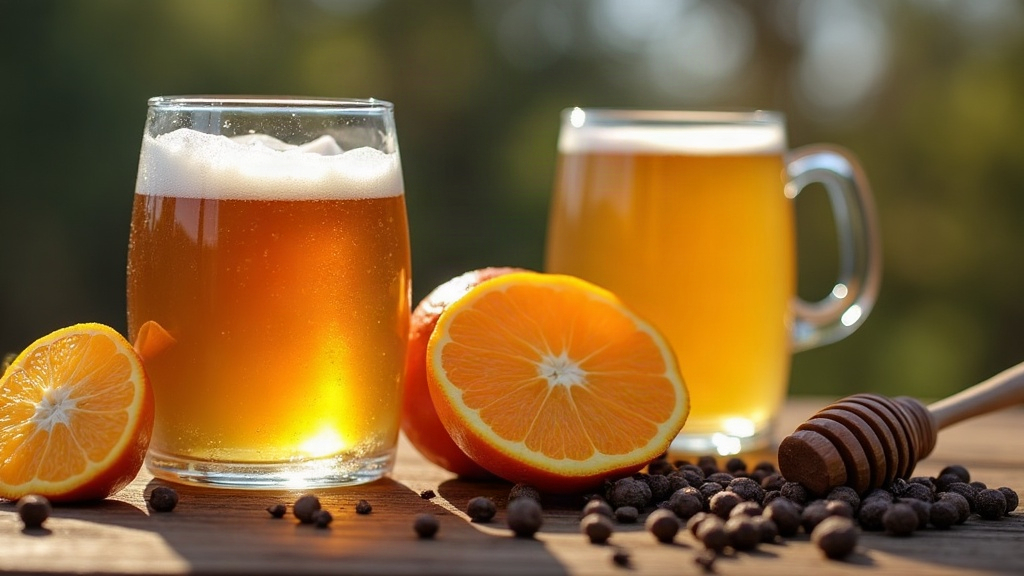
A hybrid saison mead takes the peppery, rustic edge of a Belgian farmhouse ale and marries it to the clean sweetness of honey wine. Orange blossom honey paired with cracked peppercorns happens to be one of the most reliable combos for nailing that profile. The style runs dry, a touch funky, and aromatic, which is why it’s become a go-to for meadmakers who want something that works at the dinner table rather than just another sweet sipper.
Why Orange Blossom Honey Works for a Saison Profile
Orange blossom honey is light and floral, with just a whisper of citrus brightness, nothing that tastes artificially fruity. Compare that to something like buckwheat or wildflower honey: those varietals are heavier and tend to mute the yeast character. Orange blossom ferments clean instead, letting the esters your saison yeast produces actually come through. That’s the whole point here.
- Light color: keeps the mead pale gold, in line with classic farmhouse looks.
- Subtle citrus note: plays well with the orange-peel and lemon esters saison yeast naturally throws off.
- Moderate fermentability: ferments out well with saison strains, which helps you land a dry finish.
Steer clear of dark, assertive honeys for this one. They’ll compete with the yeast character instead of backing it up.
Choosing the Right Peppercorns
Peppercorns give you the “farmhouse spice” backbone, the thing that separates this from a plain dry mead. You’re after warmth and complexity here, not a hit of heat.
Best Options
- Pink peppercorns: fruity, gently spicy, and a natural match for orange blossom’s citrus undertone.
- Grains of paradise: not technically pepper, but a staple in saison brewing anyway, citrusy and peppery at the same time.
- Black peppercorns (lightly cracked): brings earthy spice, but go easy, it turns harsh fast.
Dosage Guidelines
For a 5-gallon (19L) batch:
- 1 to 2 tsp cracked peppercorns added at secondary fermentation
- Steep for 3 to 5 days, tasting once a day
- Rack off once the spice level hits where you want it
Timing matters more than people expect. Add pepper during primary and you’ll blow off a lot of the aromatics along with the CO2. Add it in secondary instead and those volatile oils, the ones responsible for that peppery nose, actually stick around.
Yeast Selection for Farmhouse Character
Yeast is really the backbone of this whole style. Look for a strain that offers:
- High attenuation (for dryness)
- Phenolic, peppery esters (think 4-vinyl guaiacol)
- Tolerance for a moderate OG, somewhere around 1.070 to 1.090
Recommended strains:
- Wyeast 3711 (French Saison)
- Lalvin DV10, if you’d rather have cleaner dryness and less funk
- Belle Saison, a solid, budget-friendly option that ferments reliably
Building the Recipe: A Sample Framework
| Ingredient | Amount (5 gal batch) |
|---|---|
| Orange blossom honey | 12–14 lbs |
| Water | To 5 gallons |
| Saison yeast | 1 packet/vial |
| Peppercorns (pink or black) | 1–2 tsp, secondary |
| Yeast nutrient | Per manufacturer dosing |
Aim for an OG around 1.080 to 1.090. That should take you to a dry finish near 1.000 to 1.005, landing roughly in the 10.5 to 12% ABV range.
Tasting Profile: What to Expect
A well-made hybrid saison mead should give you:
- Aroma: citrus blossom, a light dusting of pepper spice, and a faint barnyard funk courtesy of the yeast esters
- Taste: dry, crisp, subtly spicy, with the honey sitting in the background rather than taking over
- Mouthfeel: light to medium body, with good carbonation if you bottle-condition it
- Finish: clean, a peppery tingle, with citrus lingering after the swallow
It’s the kind of mead that works alongside charcuterie, soft cheeses, or a spicy Thai curry, honestly more versatile at the table than a traditional sweet mead could ever be.
Common Mistakes to Avoid
- Using too much pepper: over-steep it and that pleasant warmth turns into straight-up bitterness.
- Picking a heavy honey varietal: dark honeys drown out the delicate citrus-pepper interplay you’re going for.
- Skipping nutrient additions: saison yeasts ferment vigorously, but they still need staggered nitrogen additions, otherwise you risk stress-driven off-flavors.
- Bottling it too sweet: this style is supposed to finish dry. Don’t backsweeten unless you’re deliberately going for a semi-sweet variant.
Conclusion
Build a hybrid saison mead around orange blossom honey and peppercorns and you end up with something dry, aromatic, and unmistakably farmhouse-inspired, a world away from the usual sweet mead. Pick a light, citrus-leaning honey, dose your pepper carefully in secondary, and ferment with a true saison strain. Do that and you’ll land on a crisp, food-friendly mead where the honey and the spice both get their moment. It’s a good reminder that meadmaking has plenty to borrow from the farmhouse ale tradition, and vice versa.