Cold-Weather Fermentation Schedule for Honey Garlic (Unheated Kitchen)
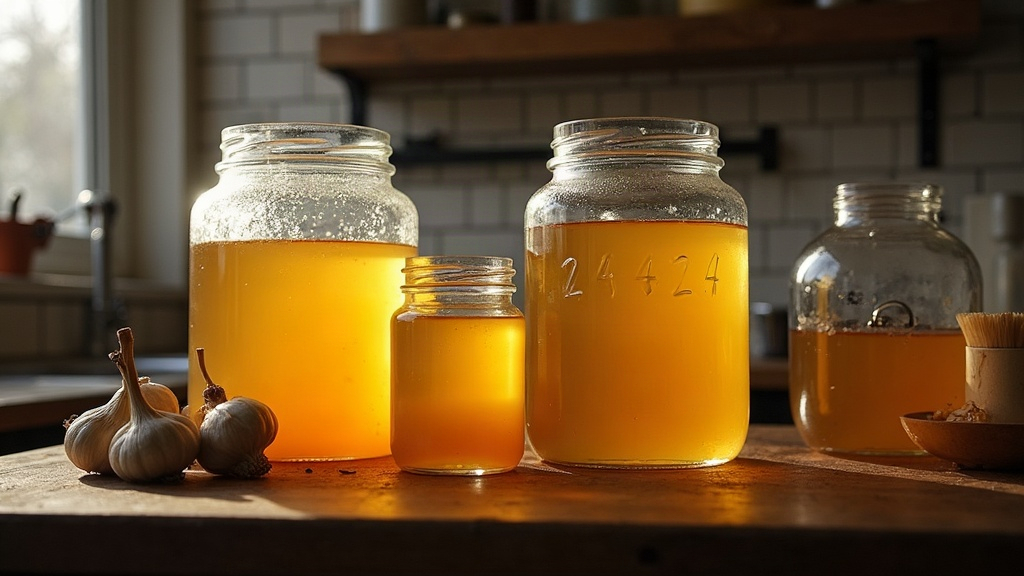
Fermenting honey garlic in a cold kitchen just takes longer than the recipe cards promise. That’s not a bug, though. Slow fermentation actually mellows the flavor more than a quick summer batch ever could. Here’s a realistic cold-weather schedule, the science behind why timing stretches out so much once temperatures drop, and how to tell your jar is doing its job even when the bubbles refuse to show up on schedule.
Why Temperature Changes Everything
Honey garlic ferments through a mix of osmotic breakdown and wild fermentation. The garlic’s own moisture leaches out of the cloves and blends with the honey, thinning it just enough for wild yeasts to start working on the diluted sugars. That’s when you get the gentle bubbling everyone’s watching for. The catch: this whole process runs on temperature.
- 68–75°F (20–24°C): Active bubbling in 3–7 days.
- 55–65°F (13–18°C): Bubbling may take 2–4 weeks.
- Below 55°F (13°C): Fermentation can slow to a near-standstill, sometimes taking 6–8 weeks or longer.
If your kitchen goes unheated through fall or winter, there’s a good chance you’re sitting in that 50–60°F zone most days. That’s not a failed batch. It’s just a slower clock.
A Realistic Cold-Weather Schedule
Week 1: Prep and Initial Rest
- Peel fresh, firm garlic cloves. Skip anything with green sprouts or soft, mushy spots.
- Submerge the cloves fully in raw, unpasteurized honey, in a clean glass jar.
- Keep the lid loosely closed, or use an airlock so gas can escape.
- Pick a stable spot for the jar, not necessarily a warm one, just one away from drafts and swinging temperatures. A pantry shelf beats a windowsill every time; windowsills see daily temperature swings of 10°F or more.
Weeks 2–3: Patience Phase
- Check daily for tiny bubbles rising off the garlic.
- Burp the jar every 1–2 days to let pressure out, even if you don’t see much happening yet.
- Give it a gentle swirl, not a shake, to redistribute the honey around the cloves.
- Don’t panic if nothing’s visible yet. Below 60°F, this is completely normal.
Weeks 4–6: Active Fermentation
- Bubbling usually becomes more obvious around now, even in cold kitchens.
- The honey thins out and turns slightly cloudy, maybe a deeper golden-amber.
- Cloves soften and pick up a mild golden tint.
- Keep burping every other day.
Weeks 6–10: Maturity
- The flavor shifts from sharp and pungent to something sweet-savory, with just a gentle garlic bite left.
- Once the bubbling slows way down, the ferment has stabilized.
- Move the jar to a cold pantry or the fridge to slow things further if you’re storing it long-term.
Signs It’s Working (Even Slowly)
- The honey turns runnier and noticeably lighter in color.
- Tiny bubbles cling to the garlic cloves when you tilt the jar.
- A faint tangy, fermented smell shows up, not sour, not rotten, just more complex than plain raw honey.
- Cloves lose their raw white look and shift to a soft amber.
Troubleshooting Cold Fermentation
No bubbles after 3 weeks? Pretty common below 60°F. Try moving the jar to the warmest stable corner of your home, near (not directly on top of) a heat vent, or on top of the fridge. Even a few degrees makes a difference.
Mold on top? A thin white film is usually kahm yeast, harmless, just skim it off. Fuzzy green, black, or pink mold is a different story: toss the batch.
Honey crystallizing instead of fermenting? Raw honey can crystallize in the cold without ever fermenting. Warm the jar briefly, just enough to re-liquefy it, not hot, then put it back in its stable spot.
Tips for Unheated Kitchens
- Wrap the jar in a folded towel to buffer sudden temperature swings.
- Keep jars off cold stone or tile counters directly; set them on a wooden board or trivet instead.
- A steady 55–60°F spot beats a warmer one that fluctuates. Stability matters more than the actual number on the thermometer.
- Write your start date on the lid. Cold ferments move slowly enough that it’s easy to lose track of how many weeks have actually passed.
Final Thoughts
A slow honey garlic ferment in a cold kitchen isn’t broken, it’s just running on its own calendar. Plan for 6 to 10 weeks instead of a one-week turnaround, watch for the right visual cues along the way, and keep the jar somewhere stable rather than hunting for warmth. Do that and you’ll end up with a richer, more rounded honey garlic than any quick version could give you. Patience really is the main ingredient here.