How to Ferment Fresh Turmeric Root into a Golden Probiotic Relish
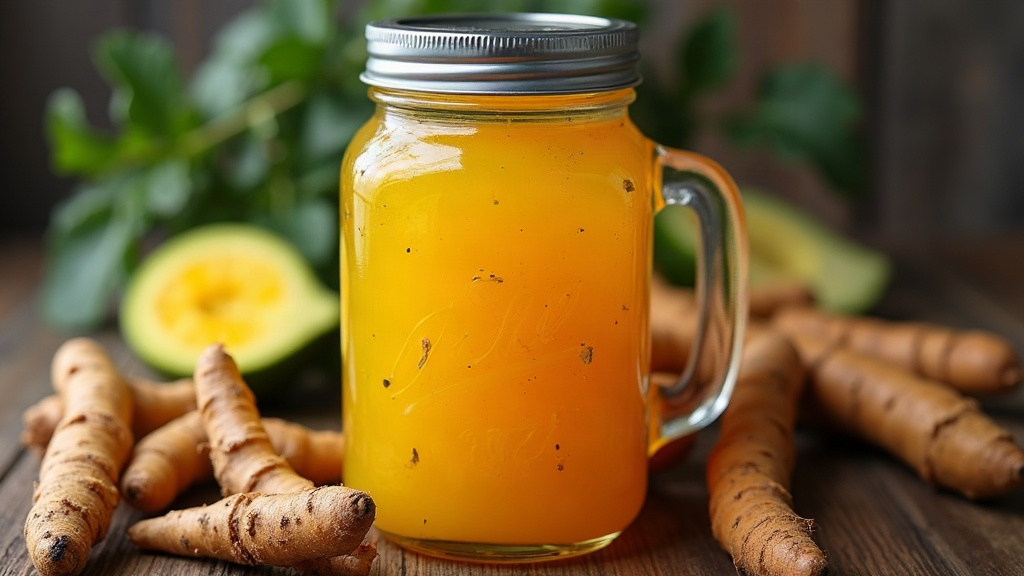
Fermenting fresh turmeric root into a golden probiotic relish is one of those small kitchen projects that pays off way more than the effort it takes. It’s basic lacto-fermentation: grated turmeric, ginger, salt, a bit of brine, and time. The bacteria do the rest, mellowing out turmeric’s harsh bitterness while turning it into something tangy and alive. Spoon it over eggs, rice bowls, roasted vegetables, or a grain salad and you’ll wonder why you didn’t start doing this sooner.
Why Ferment Turmeric Instead of Just Using It Raw
Raw turmeric packs a punch, sure. But fermentation takes it somewhere better:
- Improved absorption: Fermentation breaks down the plant fibers, which may make curcumin (turmeric’s famous active compound) easier for your body to actually use, not just pass through.
- Milder, rounder flavor: That sharp, dirt-like bitterness softens into something tangy, a little funky, a lot more pleasant.
- Added probiotics: Lactic acid bacteria multiply as the mixture sits, and those bacteria are good news for your gut.
- Longer shelf life: A properly fermented batch lasts months in the fridge. Fresh grated turmeric? Maybe a week before it turns sad.
What You’ll Need
- 200g fresh turmeric root, peeled and grated (gloves, seriously, turmeric stains skin and everything else it touches)
- 50g fresh ginger, peeled and grated
- 1 tablespoon fine sea salt (unrefined, skip anything with iodine or anti-caking additives)
- 1 teaspoon whole black peppercorns, lightly crushed (this actually helps your body absorb more curcumin)
- Juice of half a lemon (optional, but it brightens things up and gives the acidity a head start)
- A clean glass jar with a loose-fitting lid or a fermentation weight
Step-by-Step Fermentation Process
1. Prep the Turmeric and Ginger
Peel the turmeric with the edge of a spoon or a vegetable peeler, the skin’s thin enough that it comes off easily. Grate both roots finely, either with a box grater or a food processor if you’re doing a bigger batch. The finer the grate, the more even the fermentation and the smoother the final relish.
2. Salt and Massage
Dump the grated turmeric and ginger into a bowl, sprinkle the salt over top, and get in there with your hands. Massage for 3 to 5 minutes. You’ll feel the mixture start to weep liquid, that’s your brine forming, and it’s what keeps everything submerged and safe from mold.
3. Pack the Jar
Pack it into your jar, pressing down hard so the brine rises up over the solids. Not enough liquid? Mix up a quick 2% saline solution (roughly a teaspoon of salt per 2 cups of filtered water) and top it off until everything sits at least half an inch under the brine.
4. Weigh It Down and Cover
Weigh it down with a fermentation weight, a small glass, or even an old cabbage leaf tucked on top, anything to keep the turmeric from floating up and drying out. Cover loosely: a lid barely screwed on, or cloth held with a rubber band. Gases need to escape, but you don’t want fruit flies crashing the party.
5. Ferment at Room Temperature
Find it a spot out of direct sun, somewhere between 65-75°F (18-24°C). Check on it daily and push down any bits that float up. Most batches are ready somewhere between 5 and 10 days, depending on how warm your kitchen runs.
How to Know It’s Ready
- Bubbles: Tiny bubbles working their way up through the brine mean the bacteria are doing their job.
- Smell: You’re looking for tangy and slightly sour, not rotten or sulfurous. Trust your nose here.
- Taste: Start tasting around day 5. Once it hits that sweet spot of sour and tangy that makes you want another bite, it’s done. Into the fridge it goes.
Fuzzy mold on top? Toss the batch, no second-guessing. A thin white film, though (that’s kahm yeast), is generally harmless. Just skim it off and carry on.
Storing and Using Your Fermented Turmeric Relish
Once refrigerated, fermentation basically grinds to a crawl. The relish keeps for 2 to 3 months, and honestly, it just gets more interesting as it ages.
A few ways to actually use it:
- Fold into scrambled eggs or an omelet
- Blend with mayo or yogurt for a quick golden dip
- Spoon over roasted cauliflower or sweet potatoes
- Whisk into salad dressings for an anti-inflammatory boost
- Serve alongside rice, lentils, or a grain bowl
Common Troubleshooting Tips
- Too salty? Rinse a spoonful under water before eating, or next time grate in a bit more vegetable to balance the ratio.
- Still not sour after 10 days? Your kitchen’s probably too cold. Move the jar somewhere warmer and give it a few more days.
- Turmeric stains everything it touches: Dedicate a cutting board to it, wear gloves, and don’t panic about your hands, the stain fades within a day or two.
Final Thoughts
Fermenting fresh turmeric into a golden probiotic relish is an easy, satisfying way to stretch a seasonal ingredient while making it more flavorful and more nutritious at the same time. All it takes is turmeric, ginger, salt, and a little patience. What you get back is a bold, gut-friendly condiment that can dress up anything from a Tuesday breakfast to a weekend dinner spread.