How to Ferment Green Gooseberries Into Tart Country Wine
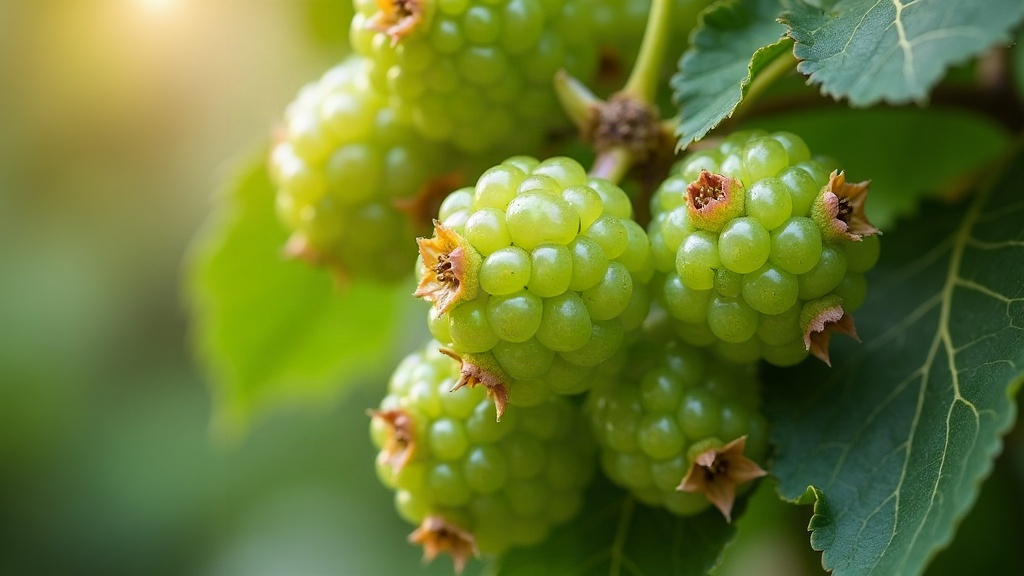
Green gooseberries make one of the brightest, most refreshing country wines you can brew at home. There’s something satisfying about turning a fruit most people only use for jam into a crisp, tart summer wine that really captures that sharp, grassy snap of early-season fruit. This guide walks through the whole process: picking the right berries, running the fermentation properly, and bottling something that balances acidity with just enough sweetness to actually be drinkable.
Why Green Gooseberries Work So Well for Wine
Unripe, green gooseberries are loaded with acid and pectin, and that’s exactly what gives the finished wine its clean, tart backbone, think dry white wine, or even a sharp farmhouse cider. Ripe gooseberries go soft and sweet, which sounds nice but actually works against you here. Green fruit holds its structure through fermentation and gives the wine real character instead of turning into something bland and sugary.
What you’ll need:
- 1.5 kg (3.3 lb) green gooseberries
- 1 kg (2.2 lb) granulated sugar
- 4.5 liters (1.2 gallons) water
- 1 tsp pectic enzyme
- 1 tsp yeast nutrient
- 1 campden tablet (crushed)
- 1 packet wine yeast (Lalvin EC-1118 or 71B works well)
Step-by-Step Fermentation Process
1. Prep the Gooseberries
Top and tail each berry, snip off the stem end and the little blossom bit, then rinse them well. Crush by hand or with a potato masher in a sanitized bucket. You’re aiming to break the skins so the juice and pectin come out, not turn the whole batch into mush. A rough crush is fine.
2. Add Water, Sugar, and Campden
Tip the crushed berries into your fermenting bucket, pour in the 4.5 liters of water, and stir the sugar in until it dissolves. Crush the campden tablet and add it, then cover the bucket and leave it for 24 hours. This knocks out wild yeast and bacteria so the yeast you actually chose gets a clean start.
3. Add Pectic Enzyme
After that 24-hour wait, stir in the pectic enzyme. Gooseberries carry a lot of natural pectin, and if you skip this step, you’ll almost certainly end up with a cloudy wine that refuses to clear no matter how long you wait. Let it rest another 12 to 24 hours.
4. Pitch the Yeast
Add the yeast nutrient along with your rehydrated wine yeast. Cover the bucket loosely, cloth or a lid that isn’t sealed tight, so CO2 can escape while fruit flies stay out.
5. Primary Fermentation (5-7 Days)
Give the must a stir once or twice a day so the fruit cap doesn’t dry out and start growing mold. Within a day or two you’ll see it bubbling away nicely. By the end of the week, the fruit has given up most of its flavor and color to the liquid.
6. Strain and Rack to Secondary
Strain the solids out through muslin or a fine mesh bag, pressing gently, just enough to get the juice without squeezing out bitter pulp along with it. Move the liquid into a sanitized demijohn with an airlock fitted. From here fermentation slows down and clarification starts.
7. Secondary Fermentation (4-6 Weeks)
Park the demijohn somewhere cool and dark, 15-18°C (59-64°F) works well. Rack the wine off the lees every 3-4 weeks so it doesn’t pick up off-flavors from sitting on dead yeast too long. This stage really tests your patience, but gooseberry wine needs that time to let its sharp edges round off.
Adjusting Tartness and Sweetness
Green gooseberries bring a lot of acid to the table, so most home winemakers back-sweeten a touch before bottling, a small amount of dissolved sugar, or a non-fermentable sweetener like sucralose paired with potassium sorbate to stop refermentation in the bottle. Taste it as you go. You’re after “tart with balance,” not something that tips into syrupy.
When Is It Ready?
You can drink most green gooseberry wines after 3-4 months, but give it 6-12 months in the bottle and it really comes into its own, the sharpness mellows into something rounder and more wine-like. Expect a pale straw-green color, with a flavor that sits somewhere between a Sauvignon Blanc and a dry perry.
Common Mistakes to Avoid
- Skipping pectic enzyme — leads to permanent haze.
- Using fully ripe berries — results in a flatter, less distinctive wine.
- Bottling too early — the tartness needs time to mellow.
- Not sanitizing equipment — invites spoilage bacteria and off flavors.
Conclusion
Turning green gooseberries into country wine is one of those small summer projects that pays off well beyond the effort it takes. An often-overlooked hedgerow fruit becomes a genuinely crisp, characterful wine if you treat it right. Get the pectic enzyme in on time, give it the patience it needs in the bottle, and go easy on the sweetening. What you’ll end up with is a tart, refreshing bottle that tastes unmistakably homemade, and that’s the whole point.