Low-Salt Lacto-Fermented Green Beans: Crisp Every Time
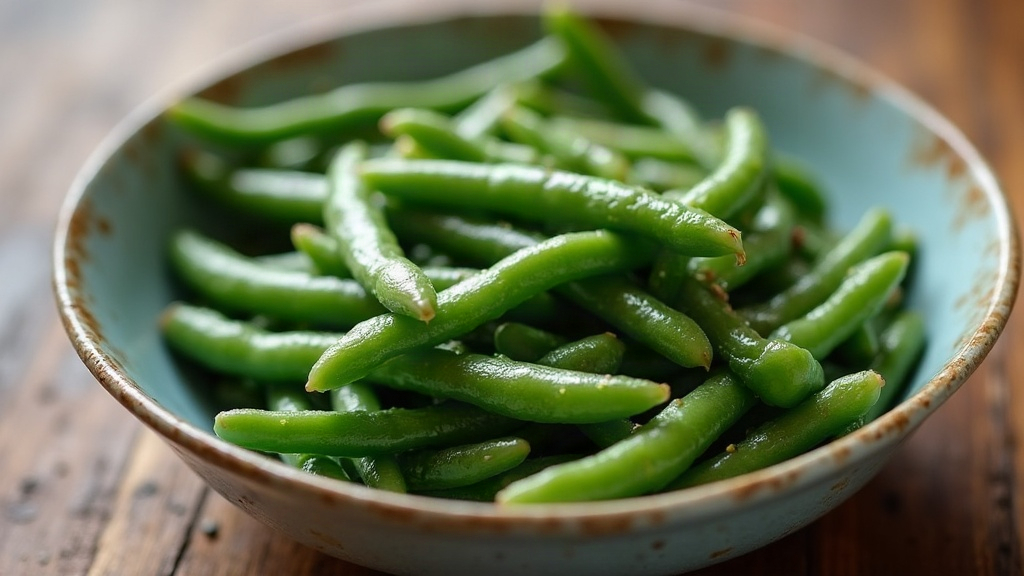
Making crisp, low-salt lacto-fermented green beans isn’t a matter of luck. It comes down to four levers you actually control: brine strength, temperature, tannin sources, and timing. Get those right and you end up with beans that snap between your teeth instead of turning into sad, soggy sticks, even with the sodium dialed way down.
Why Low-Salt Fermentation Is Tricky
Salt isn’t just there for flavor. It pulls water out of the beans, keeps spoilage bacteria in check, and firms up the pectin in the cell walls. Cut the salt too far and you’re basically rolling the dice on mushy texture and, worse, an unsafe ferment. The good news: you don’t need a heavy brine to pull this off. Somewhere around 2-2.5% salt (that’s 20-25g per liter of water) hits the sweet spot. Low enough to ease off the sodium, strong enough to give lactobacillus the edge over the bacteria you don’t want.
Don’t go below 1.5% unless you’re backing it up with a starter culture or whey. Below that threshold, you’re opening the door to yeast and mold taking over instead.
Ingredients and Ratios
For a 1-liter (quart) jar:
- 400-450g fresh green beans, trimmed to jar height
- 1 liter filtered, non-chlorinated water
- 20-25g fine sea salt (non-iodized)
- 2-3 garlic cloves, smashed
- 1 tsp black peppercorns
- 1 tsp mustard seeds (optional, but they add crunch-friendly tannins)
- A few sprigs of fresh dill or 1 tsp dill seed
- 1 grape leaf, oak leaf, or 1/2 tsp dried tea leaves (your tannin source)
Step-by-Step Method
1. Choose the Right Beans
Go for firm, small-to-medium beans, ideally picked within a day or two of buying or harvesting. Older, larger beans have thinner skins and more converted starch, and that’s a recipe for softness once fermentation kicks in. Do the snap test: bend one, and it should break clean with an audible crack, not fold limply.
2. Trim and Pack Tightly
Snip off the stem end (leave the tail intact) and stand the beans up vertically in the jar, packed snugly. Tight packing keeps them from floating and cuts down oxygen exposure, both of which are shortcuts to spoilage.
3. Add Tannins for Crunch
Here’s the trick most recipes leave out. Tannin-rich leaves, grape, oak, cherry, even plain black tea, block the pectinase enzymes responsible for softening vegetables as they ferment. One leaf, or half a teaspoon of loose tea per quart jar, makes a real, noticeable difference in the final bite.
4. Mix and Pour the Brine
Dissolve the salt fully in room-temperature water before pouring it over the beans. Skip this step and you’ll get undissolved salt pockets, which throw off fermentation unevenly across the jar. Leave about 2-3cm of headspace at the top.
5. Weigh Down and Cover
Keep the beans fully submerged with a fermentation weight. Any bean poking above the brine line is an invitation for mold. Top the jar with an airlock lid, or use a cloth secured with a rubber band if you’d rather burp it by hand.
6. Ferment at Cool Room Temperature
Target 18-21°C (65-70°F). Warmer temps speed things along but soften the beans faster; cooler temps slow the whole process down while protecting that crunch. Rough timeline:
- 5-7 days in warmer conditions (24°C+)
- 10-14 days at cooler room temperature
Start tasting on day 5. What you’re after is a pleasant sour tang with beans that still fight back a little when you bite them.
Troubleshooting Softness
- Beans went limp fast: Salt was probably too low without a tannin source backing it up, or the room was too warm.
- Cloudy brine but firm beans: That’s fine, actually expected. It’s lactobacillus doing its job, not spoilage.
- Slimy texture or off smell: Toss the batch. That’s contamination talking, not fermentation.
- Floating beans: The weight wasn’t heavy enough. Submersion has to be total, no exceptions.
Storing for Long-Term Crispness
Once the beans taste the way you want, move the jar into the fridge. Cold storage stops fermentation in its tracks and keeps the beans crunchy for 2-3 months. If crispness is your priority, though, try to eat through them within the first 4-6 weeks; texture does fade slowly even in the cold.
Final Thoughts
Crisp, low-salt lacto-fermented green beans really just require fresh, small beans, a tannin source like grape leaves, full submersion the whole time, and a cool, steady fermentation temperature. You can skip the heavy salt without skipping the chemistry that makes fermentation work. A 2-2.5% brine, paired with these small techniques, gets you tangy, crunchy beans that beat out a lot of the old high-salt recipes on both texture and health.