Brown Rice Koji Amazake for Dairy-Free Breakfast Smoothies
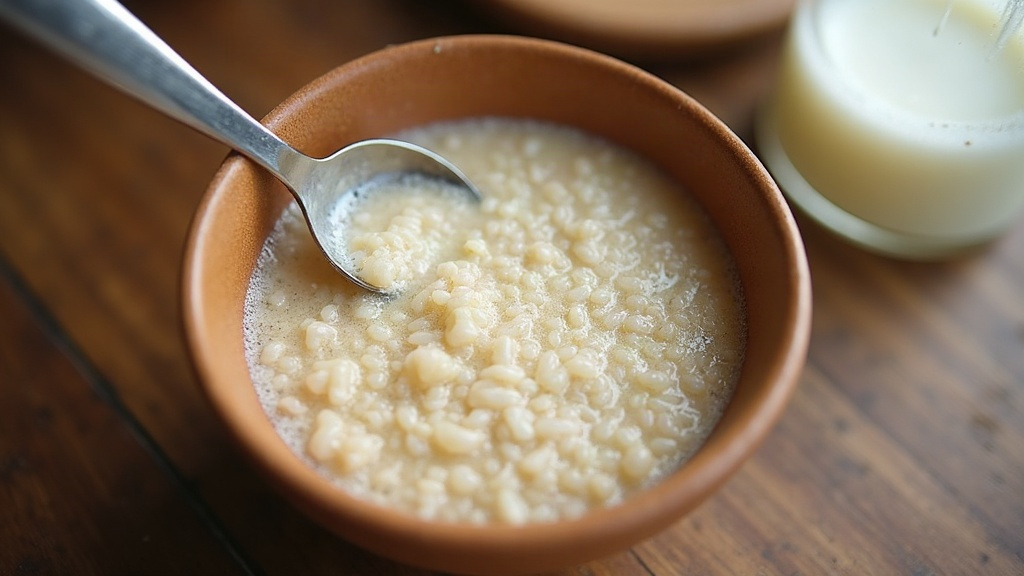
Amazake made from brown rice koji is a naturally sweet, thick fermented rice drink, and honestly, it might be the best dairy-free smoothie base you’ve never tried. Koji enzymes break down starches into sugar during fermentation, so you end up with dessert-level sweetness without touching added sugar, dairy, or artificial sweeteners. Just rice, water, and time doing the work.
What Is Brown Rice Koji Amazake?
Amazake (“sweet sake”) is a traditional Japanese drink made by mixing cooked rice with koji, which is rice inoculated with Aspergillus oryzae mold spores. The enzymes in koji, mainly amylase, convert starches into glucose and maltose. The result is a creamy, naturally sweet, porridge-like liquid with no alcohol, as long as you ferment it at the right temperature.
Swap in brown rice koji instead of white, and you get a few real advantages:
- A nuttier, slightly earthier flavor
- More fiber and micronutrients (B vitamins, magnesium, manganese)
- A thicker, more satiating texture, which happens to be ideal for smoothies
- A lower glycemic impact compared to white rice amazake
Why Amazake Works So Well in Smoothies
Think about the usual dairy-free smoothie bases: almond milk, oat milk, coconut milk. They’re thin. They need help from banana, dates, or maple syrup just to taste decent. Amazake fixes both problems in one go:
- Natural sweetness. No added sugar needed.
- Creamy body. It thickens the drink almost like yogurt would.
- Probiotic-adjacent benefits. Koji fermentation leaves behind beneficial enzymes and some prebiotic compounds.
- Nutrient density. Brown rice keeps its bran and germ, so you retain fiber and minerals that get stripped out of white rice.
How to Make Brown Rice Koji Amazake
Ingredients
- 1 cup cooked brown rice (slightly overcooked is fine, even a bit watery)
- 200g brown rice koji (dried or fresh)
- 2 to 3 cups warm water (adjust to taste for thickness)
Method
- Cook the rice until it’s very soft, nearly mushy. Cool it to around 60°C (140°F). Go hotter and you’ll kill the koji enzymes; go colder and fermentation drags on.
- Mix in the koji, breaking up clumps with clean hands or a fork.
- Add warm water until you hit a porridge-like consistency.
- Ferment at 55 to 60°C (131 to 140°F) for 6 to 10 hours. A yogurt maker works, or a rice cooker on “keep warm” with the lid cracked, an Instant Pot’s yogurt setting, or a dehydrator.
- Taste as you go. It’s ready once it’s distinctly sweet, almost like rice pudding minus the added sugar.
- Blend smooth (optional, but worth it for smoothies) with an immersion blender.
- Store in the fridge for up to a week, or freeze in portions for up to 3 months.
Troubleshooting
- Not sweet enough? Ferment longer, or double-check your temperature. Amylase activity drops off fast above 70°C and below 50°C.
- Too thick? Thin it with water or plant milk before blending into your smoothie.
- Smells sour or off? Your temperature probably dipped too low for too long, letting unwanted bacteria move in. Toss it and start over with closer monitoring this time.
Building a Dairy-Free Amazake Smoothie
Here’s a base ratio that works well, no fussing required:
- 1 cup brown rice koji amazake
- 1 cup unsweetened plant milk (oat, almond, or soy)
- 1 frozen banana or ½ cup frozen mango
- A handful of spinach (optional; the flavor stays mild even with it)
- Ice as needed
Blend until smooth. The amazake does double duty here, covering both the sweetener and the thickener you’d normally pull from yogurt or honey. The result tastes naturally creamy and balanced, not like a compromise.
Flavor Variations
- Matcha amazake smoothie: 1 tsp matcha powder plus frozen banana
- Cacao amazake smoothie: 1 tbsp raw cacao plus frozen cherries
- Turmeric ginger amazake smoothie: fresh ginger, turmeric, and a pinch of black pepper
- Berry amazake smoothie: mixed frozen berries with a squeeze of lemon for brightness
Nutritional Notes
Don’t mistake “sweet” for “empty.” Brown rice koji amazake holds onto fiber, resistant starch byproducts, and trace minerals from the bran. What it doesn’t give you is complete protein, so toss in a scoop of plant-based protein powder, some hemp seeds, or a spoon of nut butter to round the smoothie into an actual breakfast.
Conclusion
Brown rice koji amazake takes a fairly basic fermentation process and turns it into something genuinely useful in the kitchen: a naturally sweet, dairy-free, fiber-rich base that makes smoothies richer and more flavorful without any refined sugar or dairy in sight. Ferment one batch, keep it in the fridge or freezer, and dairy-free smoothie mornings become as simple as blend and go.