How to Make Norwegian Rømme-Style Cultured Cream at Home
What Makes Rømme Different from Regular Sour Cream
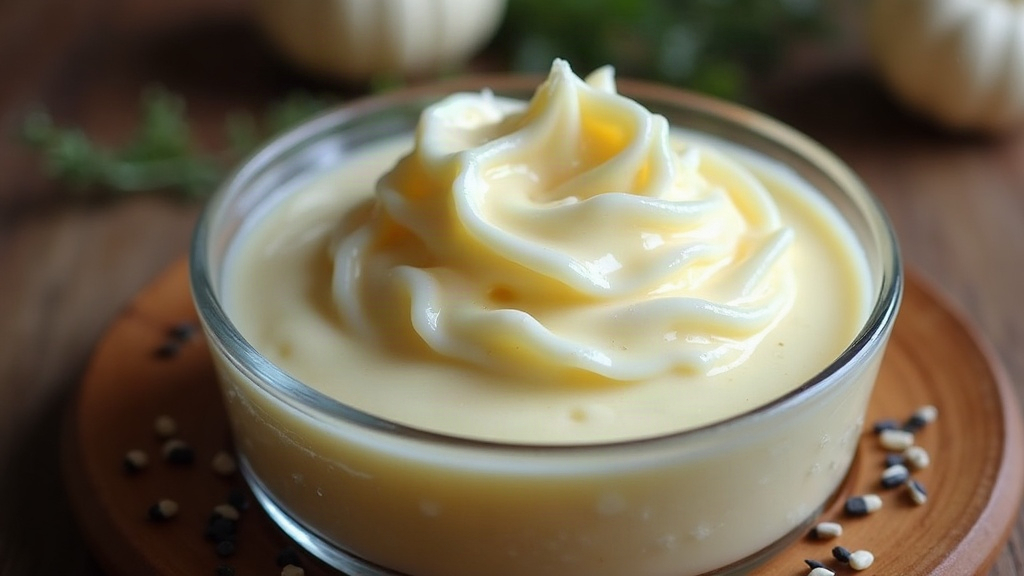
Rømme sits closer to a thick, cultured cream than the sour cream you’d find at an American grocery store. Traditionally it comes from full-fat cow’s cream, sometimes thickened further by draining off whey or applying a bit of heat. What drives the whole process is mesophilic bacteria, the kind of cultures that do their best work at room temperature (roughly 68-77°F / 20-25°C) rather than the higher heat that thermophilic, yogurt-style cultures need.
What you end up with:
- A rich, buttery mouthfeel
- A mild, clean tang (gentler than crème fraîche)
- A texture thick enough to hold a spoon standing upright
Ingredients You’ll Need
- Heavy cream, at least 36% fat. Skip ultra-pasteurized cream if you can find an alternative. The high-heat processing it goes through can make it stubborn about setting properly.
- Mesophilic starter culture, either a direct-set packet or a mother-culture type like Flora Danica, MA 11, or a basic mesophilic aromatic blend (the same family used for crème fraîche, cultured buttermilk, and a handful of cheeses).
- Optional: a splash of cultured buttermilk if you’re out of powdered starter. It works, but the results tend to be milder and a bit hit-or-miss.
Step-by-Step: Making Rømme with Mesophilic Culture
1. Warm the Cream Gently
Bring the cream to about 70-75°F (21-24°C). No need for anything close to pasteurization heat, just enough warmth to give the bacteria a comfortable place to work. If you’re starting with raw cream, some makers like to scald it briefly to 180°F (82°C) and then cool it back down, mostly to knock out any wild bacteria that might compete with the culture.
2. Add the Starter Culture
Sprinkle in the mesophilic culture following the package instructions. A rough rule of thumb: about 1/8 teaspoon of direct-set powder per quart (liter) of cream, or 2-3 tablespoons of cultured buttermilk if that’s your route. Stir it in gently but make sure it’s fully distributed, not clumped in one spot.
3. Ferment at Room Temperature
Cover the container loosely (a cloth works fine, just don’t seal it airtight) and leave it undisturbed somewhere between 68-77°F (20-25°C) for 12 to 24 hours. Signs you’re on track:
- A thickened, almost pudding-like texture
- A clean, lightly sour smell, nothing off or funky
- A thin layer of whey pooling on top is completely normal; just stir it back in
4. Chill to Set
Once it’s thickened, move the rømme to the fridge for at least 4-6 hours. Chilling tightens up the texture and softens the tang a touch. Give it 24-48 hours in there and the flavor keeps developing, picking up more complexity along the way.
Troubleshooting Common Issues
- Too thin: Likely a lower-fat cream, or the room was too cool during fermentation. Aim for closer to 75°F and double-check your cream is at least 36% fat.
- Too sour or sharp: Next time, cut the fermentation short by a few hours, or drop the room temperature slightly.
- Not thickening at all: Your starter culture might be dead or weakened. Mesophilic cultures lose strength if they’re not stored right, so keep yours frozen or refrigerated and use it before the shelf life runs out.
- Grainy texture: Usually a sign the cream got too hot before culturing, which denatures the proteins. Keep any pre-heating step gentle and watch the thermometer.
Serving Ideas
The classic Norwegian way to eat rømme:
- Spooned over warm waffles with strawberry or cloudberry jam
- Stirred into soups to add richness
- Served alongside cured meats and flatbread
- Lightly sweetened with sugar and cinnamon for a quick, simple dessert
Storage
Sealed in the fridge, rømme keeps for up to two weeks. The flavor rounds out nicely over the first few days, then slowly sharpens as fermentation keeps creeping along even in the cold.
Final Thoughts
Making rømme at home with mesophilic starter culture is about as forgiving a fermentation project as you’ll find. Good cream, an active culture, and some patience while it sits at room temperature, that’s really all it takes. What comes out the other end is a thick, tangy cream that holds its own against anything you’d buy in a store, and it tastes unmistakably like a Norwegian farmhouse kitchen.