Fermenting Fava Beans Into Homemade Doubanjiang Chile Paste
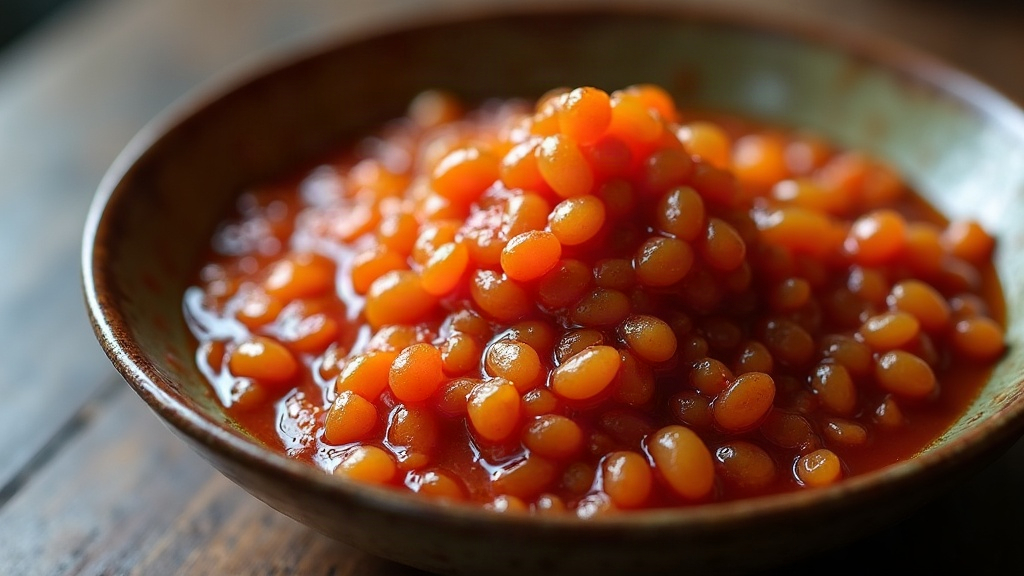
Doubanjiang, that pungent, crimson-dark broad bean chile paste sitting at the heart of Sichuan cooking, is traditionally built by fermenting fava beans with chiles, salt, and koji mold over months, sometimes years. Making your own at home is a slow project. It’s also a genuinely rewarding one. Patience gets repaid with a condiment that’s far more complex than anything pulled off a supermarket shelf.
What Is Doubanjiang, Exactly?
Doubanjiang (豆瓣酱) is a fermented paste made mainly from dehulled fava beans inoculated with Aspergillus oryzae (koji mold), then mixed with salted chiles and brine and left to age. The most famous version, Pixian doubanjiang, comes from Pixian County near Chengdu and gets aged for at least a year, with the best batches going three years or more. It’s the backbone behind mapo tofu, twice-cooked pork, and dan dan noodles. Take it away and those dishes just don’t taste right.
Making it yourself means running two separate fermentations side by side: the koji stage on the beans, and the brine fermentation with the chiles, then bringing the two together.
Ingredients You’ll Need
- Dried fava beans (skinned, split) – 500g
- Koji spores (Aspergillus oryzae) – sourced from fermentation suppliers, or substitute store-bought rice koji as a shortcut
- Wheat flour – a light dusting gives the koji something to grab onto
- Fresh red chiles (or a mix of fresh and dried) – 500g
- Non-iodized salt – roughly 15-18% of total weight
- Baijiu or another neutral high-proof spirit (optional, for preservation)
- Clean glass or ceramic fermentation crock
Step-by-Step Process
1. Prepare and Inoculate the Beans
Soak the dried fava beans until softened, then steam them until just tender, not mushy. Let them cool to body temperature, toss lightly with wheat flour, and inoculate with koji spores. Spread in a shallow tray, cover loosely, and incubate at 85-90°F (30-32°C) for 36-48 hours. You’re looking for the beans to be blanketed in fluffy white-to-pale-green mycelium, with a sweet, mushroomy smell that tells you things are going right.
2. Make the Chile Mash
Stem the fresh red chiles, blend them coarsely (keep the seeds in if you want more heat), and mix with salt at about 10% of the chile weight. Pack into a clean jar and leave it at room temperature for a few days, up to a week. This partially ferments the chiles and starts building acidity.
3. Combine and Ferment
Mix the koji-covered beans with the salted chile mash. Add more salt until total salinity sits around 15-18%. Don’t skip this part: it’s what keeps the batch safe and prevents spoilage over such a long fermentation window. Add just enough water or brine to keep everything submerged and paste-like, not soupy.
Transfer to a crock, press down firmly to knock out air pockets, and top with a thin layer of salt or a splash of baijiu as a protective cap.
4. Sun-Age (or Age Indoors)
Traditionally, doubanjiang ferments in open crocks set outdoors, stirred daily, exposed to sun during the day and covered at night. That daily swing between heat and cooling is what drives flavor development over time. If outdoor sun-aging isn’t realistic where you live, age it indoors at room temperature (65-75°F / 18-24°C) instead, stirring every few days.
- Minimum aging: 2-3 months for a usable, bright paste
- Better flavor: 6-12 months
- Pixian-style depth: 1+ years
Troubleshooting Common Issues
- Mold other than koji shows up: Toss the batch and start fresh. Cross-contamination with wild mold is a genuine safety risk, not worth gambling on.
- Paste smells like nail polish or alcohol: Usually points to not enough salt or too much oxygen exposure. Bump up the salt next time and make sure the surface stays properly covered.
- Too watery: Cut back on the added water in step 3. The texture should be thick, almost spreadable, never soupy.
How to Use Your Homemade Doubanjiang
Drop a spoonful into hot oil right at the start of cooking to “bloom” the flavor before anything else hits the pan, this step is non-negotiable for something like mapo tofu. Beyond that, it works wonders stirred into braises, folded into marinades, or tossed through a quick fried rice for dinner.
Final Thoughts
Fermenting fava beans into doubanjiang at home is a long game, no question. But each stage, the koji growth, the chile fermentation, the extended aging, stacks up toward a paste with way more nuance than most jars on the store shelf. Start small, get your salinity right, and let time handle the rest.