Muscovado Sugar vs Date Syrup for Water Kefir Second Ferment
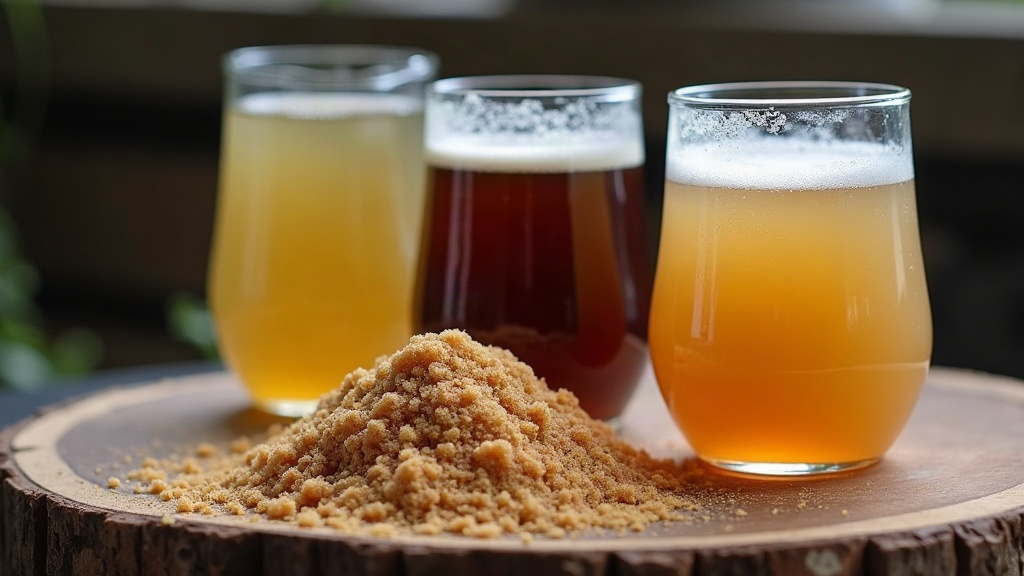
Muscovado sugar and date syrup both show up a lot in water kefir circles as swaps for plain white sugar during the second ferment, but cap a bottle of each and you’ll get two very different drinks. Muscovado, loaded with molasses, ferments cleanly and pushes out strong carbonation with a deep caramel edge. Date syrup, being a whole-fruit liquid sweetener, brings a rounder, more layered sweetness, but it ferments less predictably and tends to leave more gunk at the bottom of the bottle. So the real question isn’t “which is better,” it’s what you’re actually optimizing for: fizz, flavor depth, or just not having to strain sediment out of your glass.
Why the Second Ferment Sweetener Matters
The first ferment (grains plus sugar water) is where the microbial colony builds itself up. The second ferment, F2, is a different job entirely: you bottle the strained liquid with extra sugar, fruit, or flavorings to push carbonation and flavor further. That sugar you toss in isn’t just there for taste. It’s literally food for the yeast and bacteria still hanging around in the liquid, and they turn it into CO2 (your fizz), organic acids (the tang), and a trace of alcohol.
Not every sugar breaks down at the same speed or leaves the same fingerprints on the finished drink. That’s exactly why swapping muscovado for date syrup changes the outcome so noticeably, sometimes more than people expect.
Muscovado Sugar: Strong, Predictable, Mineral-Rich
Muscovado is unrefined cane sugar that hangs onto most of its natural molasses. It’s darker and stickier than turbinado or your average brown sugar, almost paste-like when it’s fresh.
Pros:
- Reliable fermentation: The sucrose in muscovado is easy for kefir yeasts to get at, so carbonation builds fast and consistently, usually within 24-48 hours at room temperature.
- Mineral boost: It carries iron, calcium, potassium, and magnesium, which helps keep your grains healthy over repeated batches.
- Flavor: Deep, toffee-like, a touch smoky. Works great with ginger, ginger-ale style brews, cola-flavored kefir, or spiced autumn combinations like cinnamon and clove.
- Consistency: Dissolves evenly, no straining required afterward.
Cons:
- It darkens the kefir noticeably, so don’t expect a clear drink.
- Costs a bit more than plain white or turbinado sugar.
- The flavor is strong enough to steamroll delicate additions like berries or citrus.
Best use case: 1-2 teaspoons per 16 oz (500ml) bottle when you want robust fizz and that caramelized backbone.
Date Syrup: Rich Flavor, Slower and Messier Fermentation
Date syrup comes from cooking whole dates down into a thick, dark liquid. It’s less processed than sugar and keeps fiber, pectin, and trace nutrients straight from the fruit.
Pros:
- Complex flavor: Think caramel, fig, a light smokiness. It shines in kefir blended with spices, chai-style flavors, or dark fruits like blackberry and plum.
- Whole-food appeal: A favorite for people trying to cut refined sugar out of their diet entirely.
- Natural thickness: Gives the finished drink a slight body you won’t get from plain sugar.
Cons:
- Slower, less consistent fermentation: Date syrup’s sugars are more complex, plus there’s fiber in the mix, so the yeast takes longer to access them. Expect 48-72 hours for comparable carbonation, and honestly, results shift from batch to batch.
- Sediment: Pulp and fiber settle at the bottom, so you’ll need to pour carefully or strain before drinking.
- Risk of under-carbonation: If your grains aren’t especially vigorous, date syrup might not release fermentable sugar fast enough, and you end up with flat kefir.
- Cost and availability: Pricier, and harder to buy in bulk compared to muscovado.
Best use case: 1-2 tablespoons per 16 oz bottle, ideally paired with a splash of fruit juice to give fermentation a nudge.
Side-by-Side Comparison
| Factor | Muscovado Sugar | Date Syrup |
|---|---|---|
| Carbonation speed | Fast, reliable | Slower, variable |
| Flavor | Caramel, smoky | Fruity, complex, sweet |
| Sediment | Minimal | Noticeable |
| Mineral content | High (iron, calcium) | Moderate (potassium, B vitamins) |
| Cost | Moderate | Higher |
| Best pairings | Ginger, spice, cola flavors | Fig, chai, dark fruit |
Practical Tips for Either Sweetener
- Always leave headspace in your bottles. Muscovado especially ferments fast enough to build pressure quickly, and a bottle left too long can overflow or, worse, pop its cap.
- Burp bottles daily during F2, especially once it’s warmer than 75°F (24°C) in the room.
- Combine with fruit: Drop in a small piece of fresh or dried fruit alongside either sweetener. It boosts flavor and hands the yeast a bit of extra fermentable sugar to work with.
- Watch your grains: If you’re leaning on rich syrups like date syrup for F1 too, keep an eye on grain health. Heavier syrups can slow down grain multiplication compared to plain cane sugar over time.
Conclusion
Want fast, dependable carbonation with a bold caramel kick? Muscovado is the safer choice, especially if you’re new to this or bottling on a tight schedule. Chasing something richer and more fruit-forward, and don’t mind waiting a bit longer or dealing with some sediment? Date syrup pays off with a genuinely distinctive taste. Plenty of experienced brewers just alternate between the two depending on what they’re building that week: muscovado for spiced or cola-style batches, date syrup when they’re going for something warmer, more fig-and-chai leaning.