Rice Wash Water vs Salt Brine for Kimchi Radish: Which Wins?
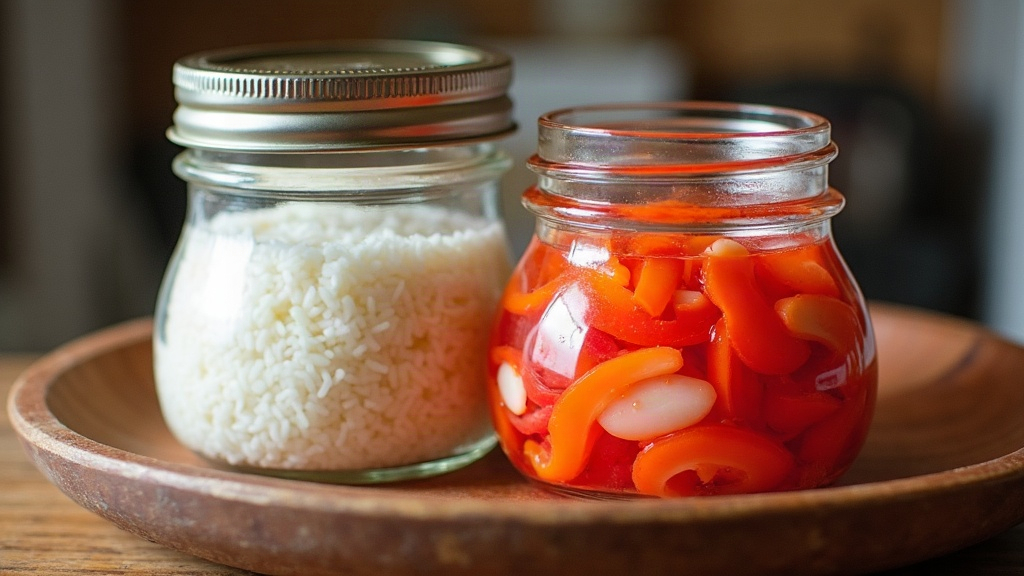
If you’ve ever stood in your kitchen wondering whether to soak your radish cubes in starchy rice wash water or a straightforward salt brine before making kimchi, you’re asking the right question. Both methods pull moisture out of the radish and get it ready for fermentation, but the results differ in texture, flavor, and how fast things actually ferment. Short version: salt brine gives you a crisper, cleaner-tasting kkakdugi (radish kimchi) faster, while rice wash water brings a little extra sweetness and feeds beneficial bacteria more aggressively. That speeds up fermentation, sure, but it also risks turning your radish to mush if you’re not paying attention.
What Each Method Actually Does
Salt Brine
Salt brine works through plain old osmosis. Mix up a solution around 2-3% salt to water, and it pulls excess water out of the radish cells, firming up the flesh while keeping unwanted mold or yeast at bay during that first salting stage. This is the backbone of most traditional kkakdugi recipes, and for good reason.
- Pulls moisture quickly and evenly
- Creates a reliably crisp, crunchy bite
- Slows fermentation slightly during the first 24 hours, which actually gives you more control
- Easy to measure and repeat, recipe after recipe
Rice Wash Water (Ssalbaam Mul)
Rice wash water is that cloudy liquid left behind after rinsing uncooked rice. Grandmothers across Korea have been saving it instead of pouring it down the drain for generations. It carries residual starches, trace sugars, and small amounts of nutrients that lactic acid bacteria (LAB) practically feast on.
- Introduces natural starches that jump-start fermentation
- Adds a faint, rounded sweetness that balances the radish’s peppery bite
- Can soften texture faster if left too long
- Usually paired with salt anyway, since rice water alone isn’t salty enough to draw out moisture efficiently
Texture: The Biggest Difference
If crunch is your top priority, salt brine wins, no contest. Radish cubes brined in a straight salt solution for 30 to 60 minutes stay firm through weeks of fermentation, even once they move into the fridge-aging stage. Rice wash water, on the other hand, tends to soften the radish faster, especially when fermentation runs warm (above 70°F/21°C). The extra starch revs up microbial activity, and that activity breaks down cell walls sooner than you’d expect.
Ever had kkakdugi go mushy within a week? Nine times out of ten, that’s rice wash water left in too long without enough salt backing it up.
Flavor and Fermentation Speed
- Salt brine kimchi: Cleaner, sharper, a straightforward sour-salty profile. Peak tanginess usually arrives in 3 to 5 days at room temperature.
- Rice wash water kimchi: A touch sweeter, rounder, more umami-forward. Since the added starch feeds LAB faster, you might see bubbling and sourness show up a full day earlier, sometimes within 2 to 4 days.
Here’s the thing though: many Korean home cooks don’t choose one over the other. They use rice wash water alongside salt, not instead of it. The starch speeds fermentation and deepens flavor, while salt still does the heavy lifting on texture and preservation. This hybrid approach is arguably the smartest route if you want both worlds.
Which Should You Choose?
| Priority | Best Choice |
|---|---|
| Maximum crunch, longer shelf stability | Salt brine alone |
| Faster fermentation, rounder flavor | Rice wash water (with some salt added) |
| Balanced texture and flavor | Combine both, brine first, then mix rice water into the seasoning paste |
| Beginners wanting predictability | Salt brine, easier to measure and control |
Practical Tips
- Always salt first. Even if rice wash water is part of your plan, a quick 20 to 30 minute salt draw on the radish cubes keeps things from getting soggy later.
- Use the second or third rice rinse water, not the first. It’s less cloudy with debris but still starchy enough to help things along.
- Watch your fridge timeline. Rice-water-boosted kimchi keeps fermenting faster even in the fridge, so start tasting a day or two earlier than you would with a salt-only batch.
- Climate matters. Cooking in a hot, humid kitchen? Stick with salt brine alone. Otherwise fermentation can run away from you.
Conclusion
Neither method beats the other outright, they just solve different problems. Salt brine is your go-to when you want crisp, predictable, classic kkakdugi. Rice wash water is more of a flavor-and-speed booster, best used alongside salt rather than as a replacement for it. New to radish kimchi? Start with salt brine, nail the texture first, then once you’re comfortable reading the fermentation timing, experiment with a splash of rice wash water and see how the flavor shifts.