Kombucha Pellicle Problems: Thin, Missing, or Weird?
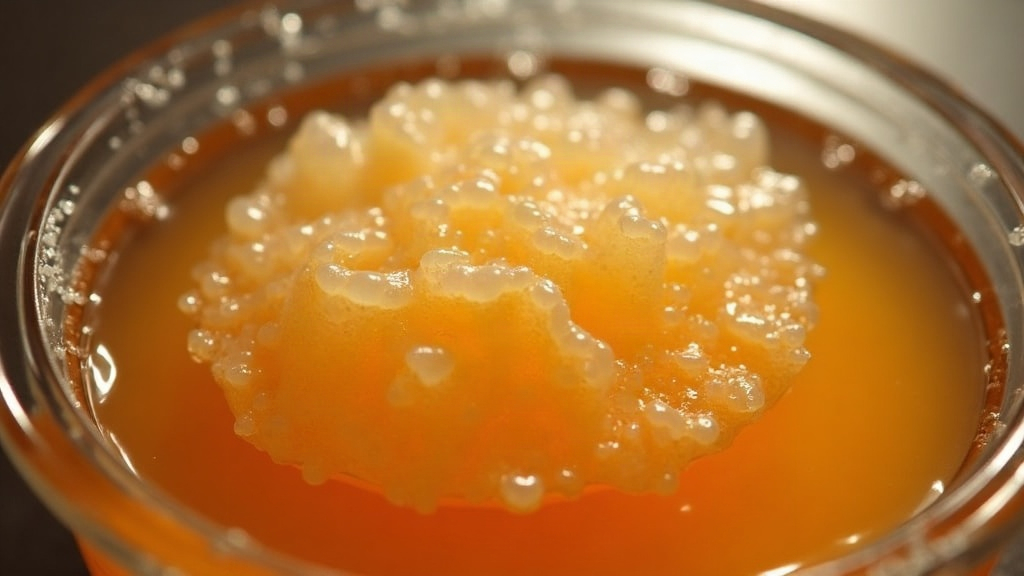
Troubleshooting pellicle formation in small-batch kombucha starts with one fact that trips up a lot of new brewers: you don’t actually need a pellicle for the fermentation to be safe or successful. That rubbery cellulose disk forms on the surface once the bacteria have conditions they like, but plenty of batches turn out great without a thick “SCOBY” cap. If your tea smells pleasantly tart, shows the usual fizz and bubbling, and there’s no fuzzy mold anywhere, a thin or missing pellicle isn’t something to panic over.
What Is a Kombucha Pellicle?
The pellicle is that floating cellulose layer, produced mainly by acetic acid bacteria. People call it a SCOBY out of habit, but the real culture lives throughout the liquid, in the starter tea and the finished brew, not just in that visible disk on top.
A healthy pellicle can look wildly different from one jar to the next. It might be:
- Thin, translucent, and cream-colored
- Thick, opaque, and beige
- Smooth on top or bumpy like orange peel
- Layered, almost like sheets of wet paper stacked on each other
- Sitting right at the surface or tilted a bit below it
- Dotted with brown yeast strands or sediment clinging to the bottom
All of that is normal. Don’t chase a perfect, identical-looking pellicle every single time. Instead, pay attention to smell, taste, how fast the batch is fermenting, and whether there’s any sign of contamination.
Why a Pellicle May Not Form
The Batch Is Too Cool
Kombucha cultures are happiest around 75-85°F (24-29°C). Drop below that and everything slows: fermentation crawls, acidity builds gradually instead of steadily, and the pellicle may barely show up, if at all.
Small batches feel this more than big ones. There’s simply less liquid to hold onto heat, so a one-quart jar sitting near a drafty window will cool off much faster than a two-gallon crock in the same room.
What to do:
- Move the jar off cold countertops, away from air vents, and out of direct sun.
- Find a spot that stays consistently warm, not just warm for an hour in the afternoon.
- If your room regularly sits under 72°F (22°C), a kombucha heating wrap with a thermostat solves this in about a day.
- Give a cool batch more time before writing it off as failed. A week isn’t always enough when temperatures are low.
There Isn’t Enough Strong Starter Tea
Starter tea does two jobs at once: it drops the pH right away and it seeds the batch with active culture. Skimp on it, and fermentation lags, which opens the door for microbes you don’t want moving in first.
For a one-quart batch, use at least 1/2 cup of mature, unflavored kombucha. If you’re working with a very sweet tea, a young culture, or starter of uncertain age and strength, bump that up to 3/4 cup. Better to overshoot slightly than under.
Don’t lean on the pellicle as your safety net here. A pellicle sitting in weak, barely acidic liquid is far less reliable than a solid dose of starter tea from a healthy previous batch, or plain raw commercial kombucha off the shelf.
The Tea Was Too Hot When the Culture Went In
Hot tea kills off parts of the culture, plain and simple. Let sweetened tea cool all the way before adding your starter tea or pellicle, no shortcuts.
A quick gut check: if the jar still feels warm to the touch, it’s not ready. Aim for room temperature, or at least below roughly 85°F (29°C), before you inoculate.
The Culture Is Adjusting to Something New
A pellicle can be slow to show up after you change:
- Tea brands, or how strong you brew the tea
- The type of sugar
- Batch size
- Brewing temperature
- Your water source
- The fermentation vessel itself
Say you go from a two-gallon crock down to a one-quart jar. The surface-area-to-liquid ratio shifts completely, and the culture may respond with a noticeably thinner pellicle at first, even while the batch underneath is fermenting perfectly fine.
Give the culture two or three brewing cycles to settle in before you change anything else.
Check Your Ingredients and Ratios
Simple, boring ingredients give the most predictable results, ironically. For a one-quart batch, this baseline works well:
- 3 cups filtered water
- 2 black tea bags, or roughly 2 teaspoons loose black tea
- 1/4 cup plain white sugar
- 1/2 to 3/4 cup strong starter tea
- Optional: a pellicle saved from a previous batch
Black tea plus white sugar is the easiest combination because it gives the culture exactly the nutrients it expects. Green tea works reasonably well too. Herbal teas, flavored teas, honey, maple syrup, and other alternative sweeteners tend to produce shakier, less predictable results, so save those for after your first few batches succeed.
If your tap water is heavily chlorinated, leave it uncovered overnight before use, or just switch to filtered water. Chlorine and chloramine both interfere with the microbial activity you’re trying to encourage.
Is It Mold or a Normal Pellicle?
This is the question that actually matters most. A normal pellicle can carry brown strands, dark specks from tea particles, bubbles trapped underneath, wrinkles, or patchy uneven color. Mold looks and behaves differently.
Mold is usually:
- Dry and fuzzy, almost like felt
- Circular or scattered in patches
- Blue, green, black, or startlingly bright white
- Growing above the liquid line, on the exposed surface
A brand-new pellicle can have pale, creamy spots here and there, but it should still look wet and smooth, never dry or fuzzy.
If you spot real mold, throw out the whole batch and scrub the vessel thoroughly before trying again. Scraping off just the moldy patch and continuing to brew is not worth the risk.
When to Wait and When to Restart
A small-batch brew typically needs 7 to 14 days, depending on room temperature and how strong your starter was. Taste it with a clean straw after day seven and go from there. Still very sweet? Let it keep going.
Keep waiting if the tea smells mildly tangy, shows no mold, and is gradually losing its sweetness. But restart from scratch if it smells rotten or putrid, grows fuzzy mold anywhere, or sits basically unchanged and overly sweet after two full weeks in a warm spot.
Conclusion
A thin or missing pellicle doesn’t mean your batch failed. Use enough strong starter tea, keep the jar warm and away from temperature swings, let sweet tea cool before you inoculate, and learn to tell real mold apart from harmless cosmetic quirks. Stick with consistent ingredients through a few patient batches, and the pellicle usually shows back up on its own.