How to Make Yukari Seasoning: Fermenting Shiso Leaves in Salt
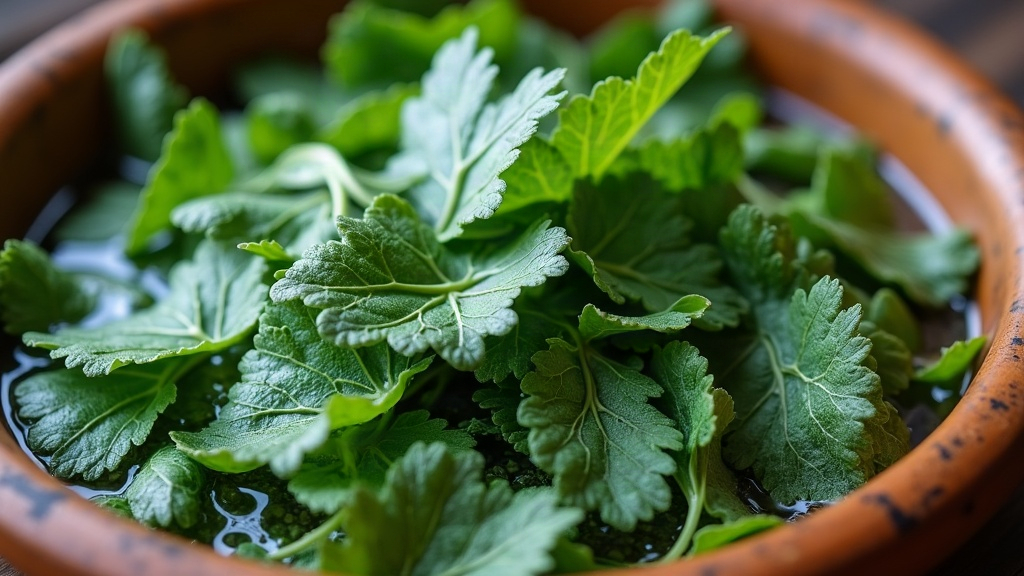
Yukari is that electric-magenta, salty-tangy seasoning you see dusted over onigiri, rice bowls, and salads all over Japan. It’s made by salt-fermenting red shiso (perilla) leaves, the same leaves traditionally used to dye and preserve umeboshi plums, then drying them out and crumbling them into flakes. Here’s the whole process from picking leaves to storing the finished jar.
What Is Yukari, Exactly?
Yukari (ゆかり) is dried, crumbled red shiso that’s been fermented. Mishima sells it commercially, but if you can grow or find red shiso (akajiso), making it yourself isn’t hard. Don’t expect the wild, bubbly action you get with kimchi, though. This is a controlled salt cure: moisture gets pulled out, the leaf’s anthocyanin pigments concentrate, and over days (sometimes weeks) a deep umami-sour tang builds up.
The chemistry behind it is almost embarrassingly simple. Salt draws water out of the leaves through osmosis, which lowers water activity and keeps spoilage organisms at bay. Combine that with an acid (traditionally umezu, the salty-sour brine leftover from making umeboshi) and the leaf’s color shifts from a muddy purple-green to a brilliant red-purple right before your eyes.
Ingredients You’ll Need
- Fresh red shiso leaves (akajiso), stems removed, about 200g for a first batch
- Non-iodized salt (sea salt or kosher), roughly 15-20% of the leaf weight
- An acid source: umezu is traditional, but fresh lemon juice or rice vinegar works fine as a stand-in
- A non-reactive bowl or jar (glass or food-grade plastic)
- Cheesecloth or a clean kitchen towel
One non-negotiable: use red shiso, not green. Green perilla simply doesn’t have the anthocyanins needed for that signature purple-red color, and the flavor won’t land the same way either.
Step-by-Step Fermentation Process
1. Wash and Dry the Leaves
Rinse the leaves well to get rid of dirt and any hitchhiking insects, then dry them completely. Even a little leftover water dilutes your salt ratio and opens the door to mold.
2. First Salt Massage
Sprinkle about half your salt (around 8-10% of leaf weight) into a large bowl with the leaves. Massage hard with your hands for a few minutes until a dark, bitter-smelling liquid starts seeping out. Squeeze that liquid out and toss it. Most of the astringency lives in this first extraction, so don’t keep it.
3. Second Salt Massage
Add the rest of the salt and repeat the massage. The second batch of liquid is noticeably less bitter, and this is the one you’ll actually keep. Squeeze firmly and set the liquid aside.
4. Add the Acid
Pour the reserved liquid (or umezu, if you’re using it) back over the leaves. Watch closely here, this is the fun part. The leaves flip almost instantly from dull brown-green to a bright, almost neon red as the acid reacts with the anthocyanins. It’s a small kitchen magic trick every time.
5. Ferment and Cure
Pack the leaves into a clean jar, fully submerged in their own liquid, and weigh them down with a small plate or a fermentation weight. Tuck the jar somewhere cool and dark (18-22°C / 64-72°F) for 3-7 days, checking in daily:
- Liquid should stay deep ruby red, not cloudy or off-smelling
- A mild tang with a faint fruity, salty aroma is completely normal
- Fuzzy mold means start over (don’t confuse it with harmless white kahm yeast, which can be skimmed off)
6. Dry the Leaves
Once fermentation’s done, pull the leaves out (hang onto that leftover liquid, it’s great drizzled over rice or vegetables) and dry them. Sun-drying over several days is the traditional route, but a dehydrator at 50-55°C (120-130°F) for 4-8 hours, or a low oven with the door propped open, gets you there faster, especially if you live somewhere humid.
7. Crumble Into Flakes
When the leaves snap easily between your fingers, crumble them by hand or pulse them briefly in a food processor or spice grinder. You’re aiming for a coarse, flaky texture, not a fine powder.
Storage and Shelf Life
Keep finished yukari in an airtight jar at room temperature, out of light and away from moisture. Done right, it’ll last 6-12 months. If you notice clumping or a musty smell, moisture has gotten in somewhere, spread it out and re-dry before sealing it up again.
Ways to Use Yukari
- Sprinkle over warm rice or onigiri
- Mix into cold soba or somen noodles
- Stir into salad dressings for a salty-tart punch
- Blend into cream cheese or butter for a savory spread
- Season roasted vegetables or grilled fish
Troubleshooting Common Issues
- Color isn’t vibrant red: Probably not enough acid, or the leaves weren’t fresh (or red) enough to start.
- Mold during fermentation: Almost always comes down to leaves poking above the brine, or not enough salt. Keep everything submerged.
- Yukari tastes too salty: Rinse the leaves briefly before drying next time, or trim the salt percentage slightly (just don’t drop below 10%, or you risk spoilage).
Conclusion
Making your own yukari is low-tech, slow, and genuinely satisfying. With nothing more than red shiso, salt, and a splash of acid, you’re recreating a preservation technique that’s centuries old, right on your own counter. The payoff is a seasoning so vivid and intensely flavored that store-bought versions start to taste a little flat by comparison. Try a spoonful on warm rice once it’s done, and you’ll understand why.