How to Make Low-Alcohol Beetroot Wine with Bread Yeast and Citrus Peel
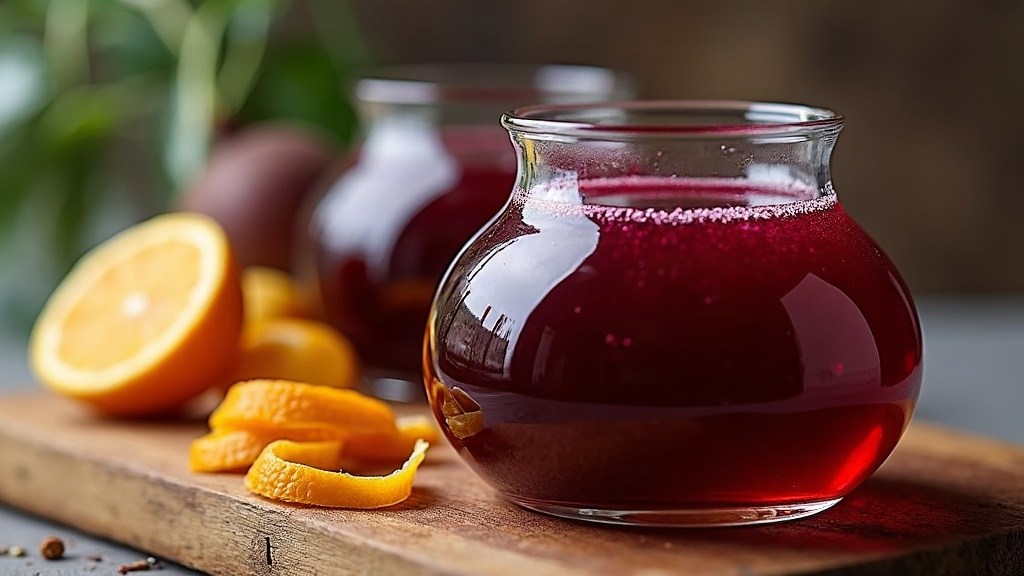
Beetroot wine is one of those old country traditions that never quite goes out of style: deep ruby color, earthy sweetness, and a finish that’s surprisingly delicate for something made from a root vegetable. Making a low-alcohol beetroot wine with bread yeast and citrus peel sounds fancy, but honestly it’s one of the easier home ferments out there. No specialty wine yeast, no airlocked fermentation chambers or pH meters. Just beets, sugar, water, the same yeast you’d use for a loaf of bread, and some orange or lemon zest to keep things lively. The result is a light, easy-drinking wine, somewhere around 6-9% ABV, ready in a few weeks rather than the months a “proper” wine demands.
Why Use Bread Yeast Instead of Wine Yeast?
Wine yeast is engineered for one job: survive high alcohol and ferment everything down to dry. Bread yeast wasn’t built for that, and that’s actually the point here.
- Lower alcohol tolerance – bread yeast usually gives up somewhere around 8-10% ABV, so your wine stays light almost by accident.
- Faster start – drop it into warm, sugary liquid and it’s off within hours, no coaxing required.
- Widely available – skip the online order. A packet from the baking aisle does the job.
There’s a trade-off, sure. Early on, the wine can smell a bit yeasty, almost like proofing dough. That fades within a few weeks of aging, and the citrus peel helps cover it in the meantime, layering a fresh aromatic note over beetroot’s earthy base.
Ingredients You’ll Need
- 1 kg (about 2.2 lbs) fresh beetroot, scrubbed and thinly sliced (skip peeling, the skin brings color and tannin)
- 750 g granulated sugar (adjust up or down depending on how sweet and how strong you want the final wine)
- 4 liters water
- Zest and juice of 2 oranges or 1 large lemon (organic or unwaxed if you can get it)
- 1 tsp active dry bread yeast
- 1 tsp yeast nutrient (optional, but it helps the fermentation along)
- 1 tsp pectic enzyme (optional, mostly for clarity)
- A handful of raisins, or 1/2 tsp acid blend, to round out the flavor
Step-by-Step Method
1. Prepare the Beetroot Base
Simmer the sliced beets for 20-30 minutes, just until tender, not falling apart. Keep it at a gentle simmer rather than a rolling boil; cook them too hard and you’ll pull extra starch into the liquid, which clouds the finished wine. Strain into a sanitized fermenting bucket, pressing the beets gently to release color. Don’t puree them.
2. Add Sugar and Citrus
While the liquid’s still warm, stir in the sugar until it fully dissolves, no gritty bits left at the bottom. Add the zest (just the colored part, skip the bitter white pith underneath) and the juice. That citrus hit cuts through the beet’s heavy sweetness and adds a top note that keeps the whole thing from tasting flat.
3. Cool and Pitch the Yeast
Let everything cool below 30°C (86°F) before adding yeast. Pour it in hot and you’ll just kill the yeast, no fermentation, no wine. Sprinkle the bread yeast over the surface and stir it in. This is also when you’d add nutrient or pectic enzyme if you’re using them.
4. Primary Fermentation
Cover the bucket with a clean cloth, or a lid fitted with an airlock if you have one. Room temperature is fine, aim for 18-24°C (65-75°F). Bread yeast doesn’t mess around: expect visible bubbling within 6-12 hours, sometimes sooner. For the first 3-4 days, stir once daily to keep any solids submerged, otherwise you risk mold or off-flavors.
5. Rack and Secondary Ferment
Around day 5-7, once the initial vigorous bubbling calms down, strain out the solids and move the liquid into a clean demijohn with an airlock. From here it’s a slow burn: 3-4 weeks of quiet fermentation until the bubbling all but stops.
6. Clarify and Bottle
Rack the wine off its sediment once or twice over the next few weeks. Left alone, it clarifies naturally as the yeast settles out, though a wine clarifier will get you a clearer glass faster if that matters to you. Once it’s stable, bottle it and let it rest at least 2 weeks before tasting. A month in, the flavor rounds out noticeably.
Tips for Balanced Flavor
- Control sweetness: taste it before bottling. Too sweet? A splash of citrus juice fixes that. Too sharp? A little more sugar balances it out.
- Watch the ABV: bread yeast’s limited tolerance means you’re not going to accidentally end up with a harsh, overly boozy batch. It self-limits.
- Serve chilled: this wine wants to be cold, almost rosé-style. The chill brings out the citrus and tames any residual earthiness.
Common Questions
Can I use other citrus? Grapefruit peel gives a more bitter, complex edge. Lime brings sharper acidity if that’s what you’re after.
Is it safe with bread yeast? Yes. Country winemakers have used baker’s yeast for generations. It just gives a different flavor profile than commercial wine yeast, not a worse one.
How long does it keep? Stored cool and dark, properly bottled, it’ll hold for 6-12 months. That said, it really shines in the first few months, so don’t let it sit in the cellar forever.
Final Thoughts
Low-alcohol beetroot wine with bread yeast and citrus peel is about as forgiving as homemade wine gets: cheap ingredients, minimal equipment, and a decent margin for error. Give it a few weeks and a bit of patience, and those garden beets turn into something genuinely worth pouring, light, a little sweet, and good enough to hand off to a neighbor without apologizing for it.