Small-Batch Tepache: Safely Ferment Pineapple Cores
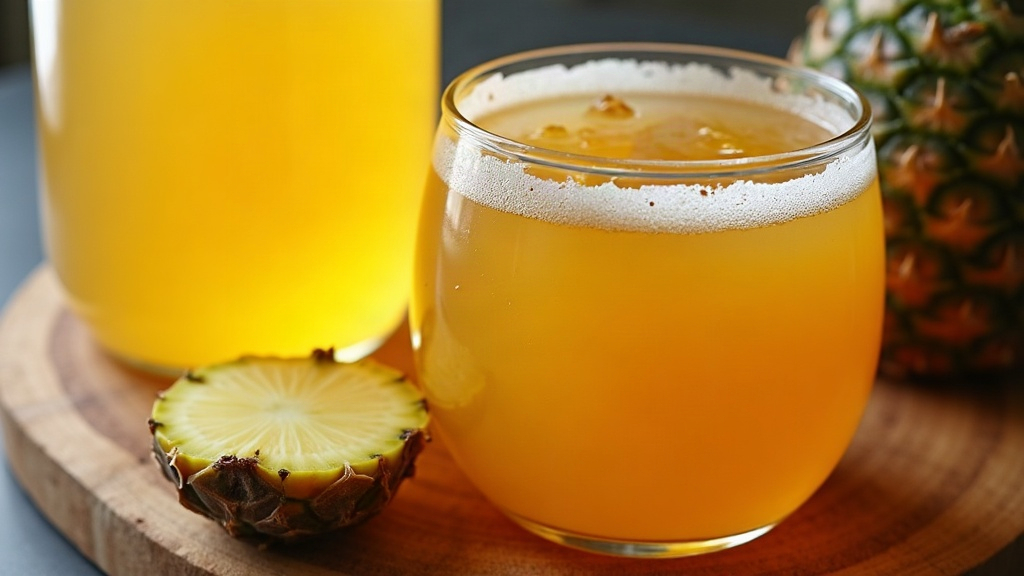
Small-batch tepache is a lightly fermented Mexican pineapple drink made by soaking the peels and core in sugar water for a few days. It’s a smart way to use the parts of a pineapple most people toss straight in the bin, but getting a safe, tasty batch depends on clean gear, a properly ripe fruit, watching the clock, and trusting your nose more than any timer—much like troubleshooting pellicle formation in other fermented beverages.
What Is Tepache?
Tepache is a traditional fermented drink with a sweet-tart, tropical flavor and a gentle, natural fizz. The wild yeasts and bacteria already living on the pineapple’s skin get to work on the sugar, releasing carbon dioxide and a small amount of alcohol along the way.
A home batch usually stays low in alcohol, somewhere around 1% or less, though the exact number is impossible to pin down without a lab. Best to think of tepache as a fermented beverage, not a glass of fruit juice with bubbles.
Small batches suit beginners particularly well because they:
- Use just one pineapple instead of a mountain of scraps
- Ferment fast, typically two to four days
- Are easy to taste-test, watch, and pop in the fridge
- Cut down on waste if you’re still figuring out flavors you like
Ingredients for a Small Batch
For roughly 1 quart (1 liter) of tepache, you’ll need:
- Peels and core from 1 ripe pineapple
- 3 to 4 cups filtered or non-chlorinated water
- 2 to 4 tablespoons brown sugar, cane sugar, or piloncillo
- 1 small cinnamon stick (optional)
- 2 or 3 whole cloves (optional)
Pick a pineapple that smells sweet right at the base, with no mold, no leaking juice, no soft rotten patches. Organic is a nice bonus if you can find it, but it’s not a dealbreaker. What actually matters is scrubbing the outside well before you start cutting.
Skip any fruit that already shows brown mushy spots, fuzzy growth, or a boozy off-smell before fermentation has even started.
How to Make Small-Batch Tepache Safely
1. Clean Your Equipment
Wash your glass jar, spoon, knife, cutting board, and any fermentation weight in hot soapy water, then rinse them well.
A wide-mouth glass jar with room to spare for bubbling works best, a 1-quart jar is about right. Skip reactive metal containers; the acidity from fermentation can eat into the metal and mess with the flavor.
2. Wash and Prepare the Pineapple
Scrub the whole pineapple under cool running water before you cut into it. Remove the crown, then peel and core it as you normally would.
Keep the peel and core in medium chunks for the tepache. Tossing in a few small pieces of flesh adds extra sweetness, but save most of the actual fruit for snacking.
3. Dissolve the Sugar
Put the sugar in the jar and pour in a bit of warm water. Stir until it’s mostly dissolved. Warm, not hot: boiling water can kill off the wild microbes you actually want alive and working.
Add the rest of the cool water, your spices if you’re using them, and the pineapple scraps.
4. Keep the Fruit Submerged
Try to keep the pineapple pieces under the liquid line as much as you can. A clean fermentation weight does the job well. No weight on hand? A small clean glass dish set inside the jar works too.
Cover the jar with a clean cloth, a coffee filter, or a loose-fitting lid. Some airflow speeds up early fermentation, while the cover keeps fruit flies and dust out.
5. Ferment at Room Temperature
Set the jar somewhere out of direct sunlight, around 68 to 78°F (20 to 26°C), and check on it daily.
Signs your tepache is fermenting the way it should:
- Small bubbles drifting up through the liquid
- A faint fizzing sound when you stir it
- A sweet, tangy, fruity smell
- Slight cloudiness in the liquid
- A thin, harmless layer of white foam on top
Start tasting after 24 hours. In a warm kitchen, small-batch tepache can be ready in as little as 48 hours. In a cooler spot, give it three or four days.
When Is Tepache Ready?
It’s ready when it tastes pleasantly sweet-tart with just a hint of that fermented tang. This part comes down to personal taste: some people like it sweeter at the two-day mark, others prefer a drier, more sour drink after day three.
Once you’re happy with the flavor, strain out the pineapple scraps. Move the liquid to a clean bottle or jar and get it into the fridge right away.
Cold slows fermentation way down, but it doesn’t stop it entirely. Drink your refrigerated tepache within five to seven days for the best flavor, after that it starts losing its charm.
Can You Make It Fizzy?
Yes, and it’s not hard. For more carbonation, strain the finished tepache into a pressure-rated swing-top bottle or a plastic soda bottle. Leave about an inch of headspace, seal it up, and let it sit at room temperature for 12 to 24 hours.
Check on it often. Pressure can build surprisingly fast, especially if your kitchen runs warm.
A few safety notes:
- Only use bottles actually made for carbonated drinks
- Never reuse a chipped or cracked glass bottle
- “Burp” swing-top bottles once or twice a day if pressure is climbing
- Get the bottle into the fridge as soon as it feels firm or fizzy to the touch
- Open chilled bottles slowly, over the sink, just in case
A plastic soda bottle is the easiest option for beginners since you can just squeeze it to feel how much pressure has built up inside.
What to Do if Tepache Looks or Smells Wrong
A little white foam, or a thin, smooth white film, is normal during fermentation and nothing to worry about. But if you spot fuzzy mold in green, blue, black, pink, or orange, toss the whole batch. No exceptions.
Same goes for smell: if it’s putrid, rotten, cheesy, sharply vinegary, or just off in a way you can’t quite name, pour it out. Good tepache smells fruity, yeasty, tart, and fresh, never spoiled.
Don’t try to just scrape mold off the top and keep drinking what’s underneath. In a liquid ferment, mold roots can spread further than what’s visible on the surface.
Flavor Variations to Try
Once you’ve got the basic method down, try a few small twists:
- Fresh ginger slices for a spicy kick at the finish
- A strip of lime peel for brightness
- A small piece of star anise for a hint of licorice
- A pinch of chili for gentle heat
- Extra piloncillo for a deeper, caramel-like sweetness
Go easy on the add-ins. Pineapple should still be the star of the show, and piling on too many spices makes it harder to tell whether the ferment actually smells the way it should.
Conclusion
Small-batch tepache turns pineapple cores and peels, the stuff most people throw away, into a refreshing, low-waste fermented drink in just a few days. Start with clean equipment, a ripe pineapple, and a short fermentation window, then let your senses guide the rest: gentle bubbles and a sweet-tangy smell mean you’re on the right track, while fuzzy mold or a foul odor means it’s time to dump the batch and start fresh.