How to Brew Kvass with Toasted Rye Bread and Dried Cherries
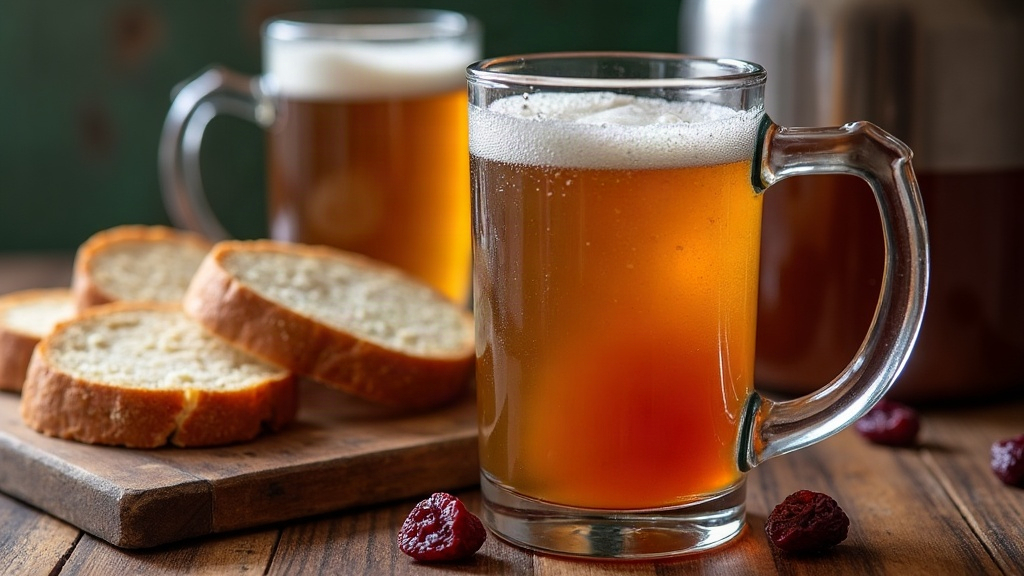
Kvass with toasted rye bread and dried cherries is a lightly fermented, softly sparkling drink with a tangy malt edge and a whisper of fruit underneath. You can make it at home with just bread, water, sugar, dried cherries, and a pinch of yeast, much like you’d ferment pineapple cores for tepache. The trick is toasting the bread until it’s genuinely dark (that’s where the color and flavor come from), fermenting briefly at room temperature, then getting it properly cold before you pour a glass.
What Is Kvass?
Kvass is a traditional Eastern European fermented drink, usually built on rye bread. Ferment it for just a day or so and you get something mildly sweet, faintly sour, and barely alcoholic, more soda than beer.
Toasted rye bread gives kvass that familiar dark color and roasted, malty backbone. Dried cherries bring a light tartness and a whiff of berry aroma, but they shouldn’t fight the bread for attention.
This batch makes about 2 liters, roughly 8 cups.
Ingredients
You will need:
- 10 ounces (about 280 grams) dark rye bread
- 2 liters filtered water
- 1/2 cup granulated sugar
- 1/3 cup dried cherries
- 1/4 teaspoon active dry yeast
- 1 tablespoon honey, optional
- 1 small piece of orange peel, optional
- A pinch of salt, optional
Go for a dense rye with a dark crust if you can find one. Skip loaves loaded with seeds, strong spices, or savory toppings, they tend to throw off strange flavors once fermentation kicks in.
Want something closer to the classic, less fruit-forward version? Cut the cherries down to 2 tablespoons. Craving more cherry punch? Push it up to 1/2 cup.
Equipment You Will Need
Line these up before you start:
- Baking sheet
- Large heatproof bowl or pot
- Fine-mesh strainer or cheesecloth
- Large glass jar or fermentation vessel
- Clean bottles with tight-fitting lids
- Funnel
- Measuring cups and spoons
Cleanliness actually matters here, not just as a formality. Wash every jar, bottle, and utensil in hot soapy water and rinse thoroughly. A stray bit of grime is exactly how mold or weird off-flavors sneak into an otherwise good batch.
Step 1: Toast the Rye Bread
Heat the oven to 350°F (175°C). Cut the bread into small cubes or thick slices and spread them out in a single layer on a baking sheet, no overlapping.
Toast for 20 to 30 minutes, flipping the pieces once around the halfway mark. You’re aiming for dry, dark brown, fragrant bread, think the smell of a good crust, not a campfire. Don’t let it go black or start smoking; scorched bread turns the whole batch bitter.
That deep toast is really what gives kvass its signature color. If your loaf is already quite dark to begin with, start checking at the 15-minute mark so you don’t overshoot it.
Step 2: Steep the Bread and Cherries
Bring the 2 liters of water to a full boil. Drop the toasted bread and dried cherries into a large heatproof bowl or pot, then pour the boiling water right over them.
Cover loosely and let it sit for 4 to 6 hours at room temperature. In that window, the bread softens and gives up its roasted flavor while the cherries plump back up, adding a gentle sweet-tart note to the mix.
Want a bolder bread flavor? Let it cool first, then steep overnight in the fridge instead.
Step 3: Strain and Sweeten the Kvass Base
Strain the liquid through a fine-mesh strainer lined with cheesecloth. Press the bread gently to squeeze out the liquid, but don’t force it, you don’t want a cloud of sediment slipping through.
The soaked bread solids can go in the compost or trash. If you like a bit of visible fruit floating in the finished drink, set aside a few softened cherries to add back in later.
While the liquid is still a bit warm, stir in the sugar, plus honey if you’re using it, the orange peel, and that pinch of salt. Sugar here isn’t just for sweetness, it’s yeast food, and it’s what gives you that natural fizz later on.
Let everything cool to room temperature before the next step. Add yeast to hot liquid and you’ll just kill it off.
Step 4: Add Yeast and Ferment
Stir the yeast into the cooled base, then pour everything into a clean glass jar, leaving a few inches of headspace at the top.
Cover with a clean cloth, paper towel, or a loosely set lid, nothing airtight. The carbon dioxide building up inside needs somewhere to go.
Set the jar somewhere at room temperature, ideally 68°F to 75°F (20°C to 24°C), and let it sit for 12 to 24 hours.
How to Tell When It Is Ready
You’ll know it’s time to bottle when you spot:
- Small bubbles gathering on the surface
- A mildly tangy, bread-forward aroma
- Noticeably less sweetness than when you started
- A light, pleasant fizz if you give it a stir
Go ahead and taste it around the 12-hour mark. A warm kitchen speeds things up considerably; a cooler room might need the full 24 hours. Push much past that at room temperature and you’ll end up with a drier, more sour kvass, fine if that’s what you’re after, but worth knowing ahead of time.
Step 5: Bottle and Chill
Fish out the orange peel, then funnel the kvass into clean bottles. Toss in a few strained cherries per bottle if you want them for looks and a bit of extra flavor.
Seal the bottles and leave them at room temperature for 4 to 8 hours to build up carbonation. With plastic bottles, just give them a gentle squeeze now and then; once they feel taut and firm, move them straight to the fridge.
Glass bottles pressurize faster than you’d expect, so only use ones actually rated for carbonated drinks, and get them chilled promptly. Give the kvass at least 6 hours in the fridge before you serve it.
Serving and Storage Tips
Pour cherry rye kvass cold, over ice. A thin lemon slice or a few fresh cherries on top is all the garnish it really needs.
Keep it refrigerated and try to finish it within 5 to 7 days for the best flavor. Open bottles carefully over the sink, especially in the first day or two, since the carbonation can build noticeably even in the fridge.
If you spot fuzzy mold, catch a rotten smell, or the texture turns slimy in any way, toss the batch, no need to debate it. A tangy, yeasty, fruity aroma is exactly what you want. Mold is the one thing that isn’t negotiable.
Simple Flavor Variations
Once the basic method clicks, it’s easy to riff on it:
- Toss in a cinnamon stick during the steep for a warm, autumn-leaning flavor.
- Swap part of the cherries for dried cranberries.
- Use molasses in place of some of the sugar for a darker, deeper result.
- Add a knob of fresh ginger during steeping for a spicy, refreshing kick.
- Throw in a handful of raisins for extra natural sweetness and a fermentation boost.
Homemade kvass is forgiving, and it rewards a bit of experimentation. Just make small changes at a time so the toasted rye stays the star of the show.
Conclusion
Toasted rye bread and dried cherries turn into a genuinely good homemade kvass: refreshing, lightly tangy, with a natural fizz that beats anything from a can. A short steep, a quick fermentation, and a proper chill are really all it takes to end up with a distinctive drink you’ll want on its own or right alongside a hearty meal.